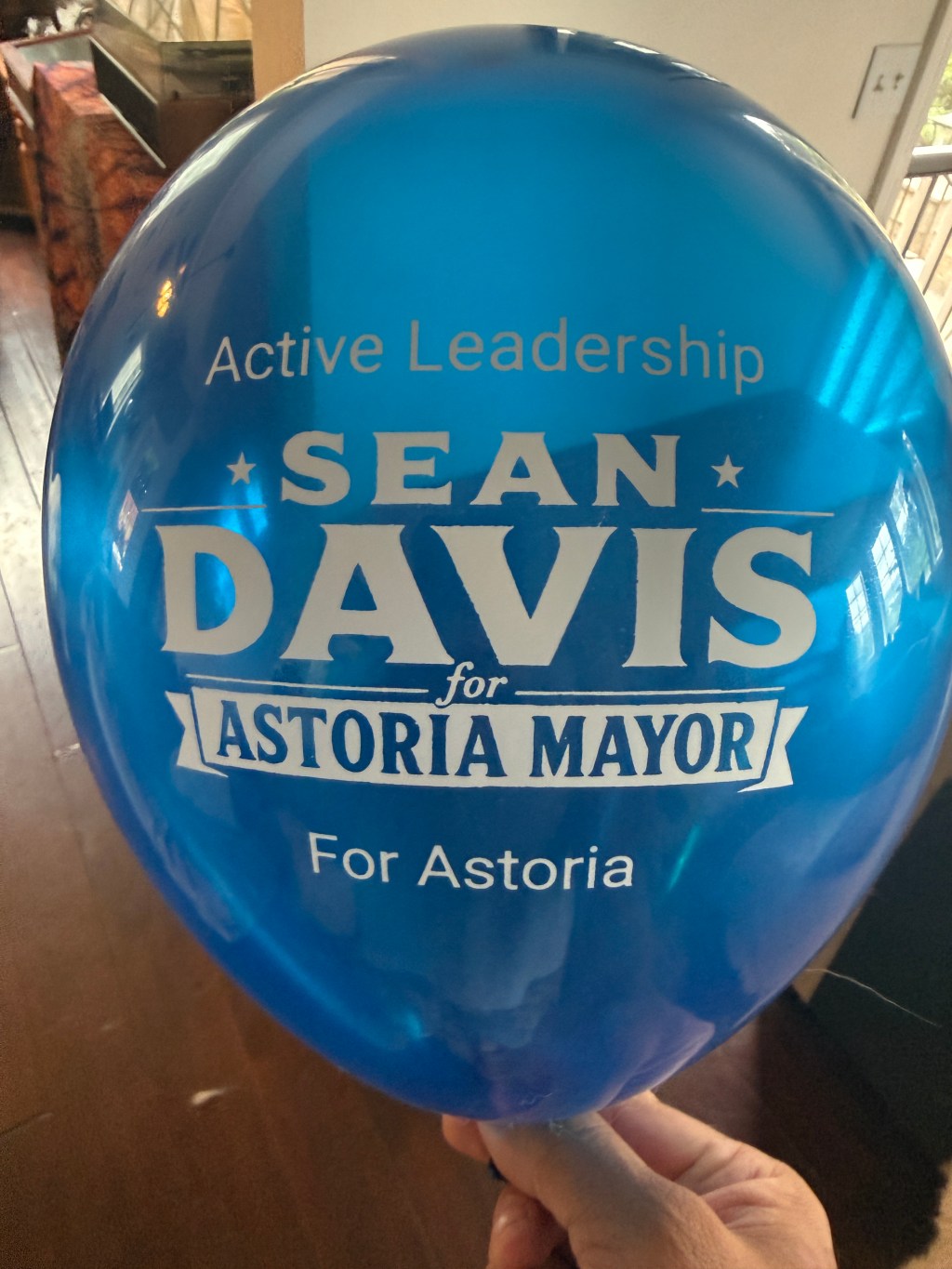
As we move into the busiest part of summer, I am still out in the community every day, listening to people and learning more about Astoria’s priorities. Campaigns naturally involve a lot of talking, but leadership begins with listening.
Last Thursday, I visited the Astoria Birth Center & Family Medicine, one of the few local alternatives for families seeking to give birth outside Columbia Memorial Hospital. I had met the center’s founder, Rebekah Orton, at the Clatsop County Fair the week before and realized how little I knew about the work they were doing.
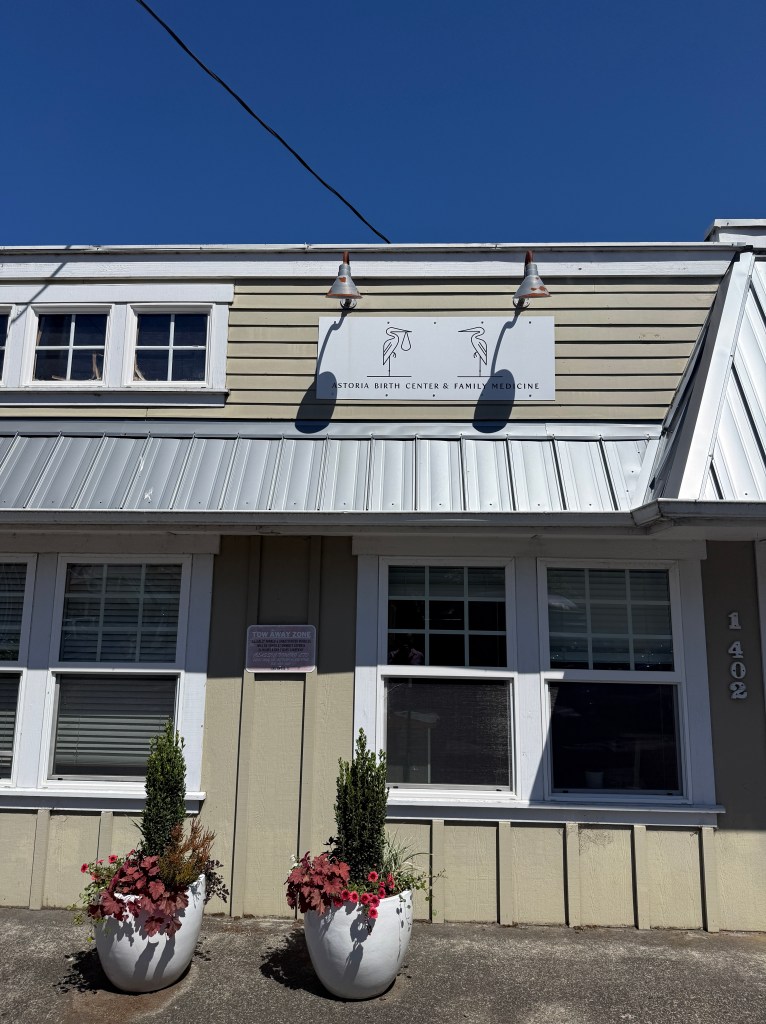
The center has two birthing suites, a family room, an experienced medical team, and a beautiful location overlooking the Columbia River. I was told that they have helped deliver 42 babies this year, including five that week. There is something powerful about standing in a place where new lives enter the world. It is also a reminder that some of Astoria’s most important institutions begin with one person, one idea, and the courage to build something.
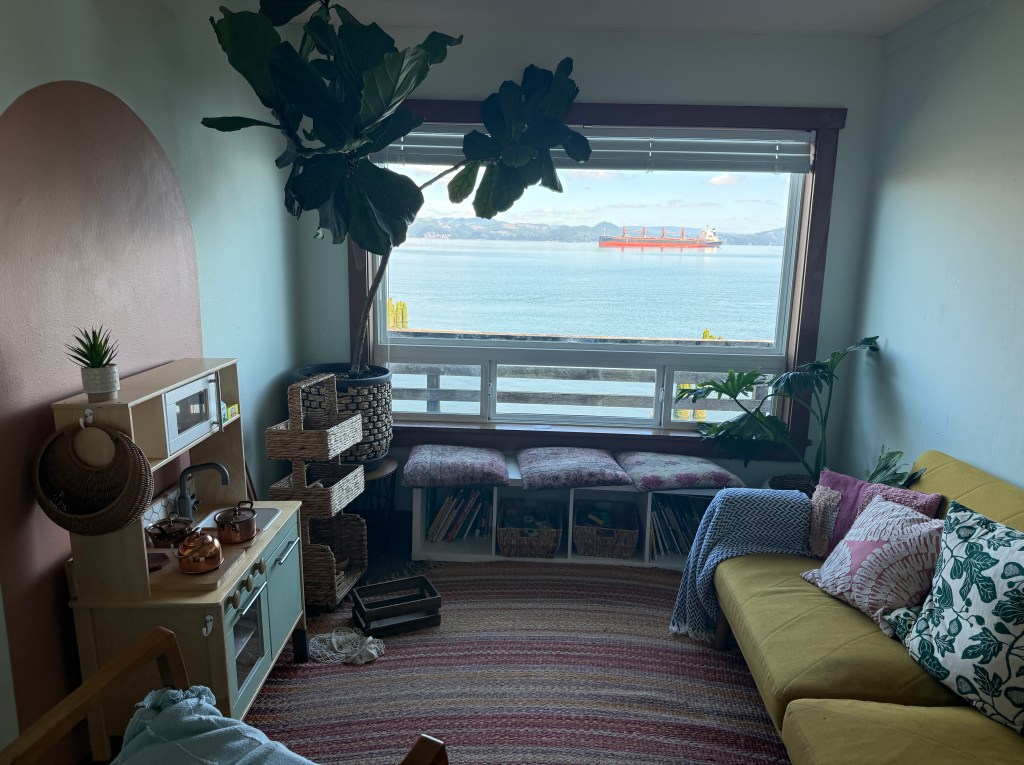
Small businesses like the Astoria Birth Center are essential to our economy and our quality of life. The City of Astoria should be where entrepreneurs go for help, not another obstacle they have to overcome. I envision a small-business liaison within city government who can work with entrepreneurs from their first call about an idea until their doors open. That person could help business owners understand permits, zoning requirements, inspections, ordinances, and available resources. Instead of sending people from office to office, we should provide them with a clear path forward.
We can protect Astoria’s character while still making it easier to build something here. In fact, helping locally owned businesses succeed is one of the best ways to protect that character. Astoria has largely chosen independent businesses over enormous corporate chains. We should be proud of that choice, but pride alone will not pay the bills or guide someone through the permitting process.
On Friday, I joined Brian Woosley at American Legion Post 12 to remove an old chimney pipe from the roof. It was not glamorous work, unless your idea of glamour involves ladders, roofing material, and discovering muscles you had forgotten existed. But that is how community institutions survive. People show up, climb the ladder, and do the work.

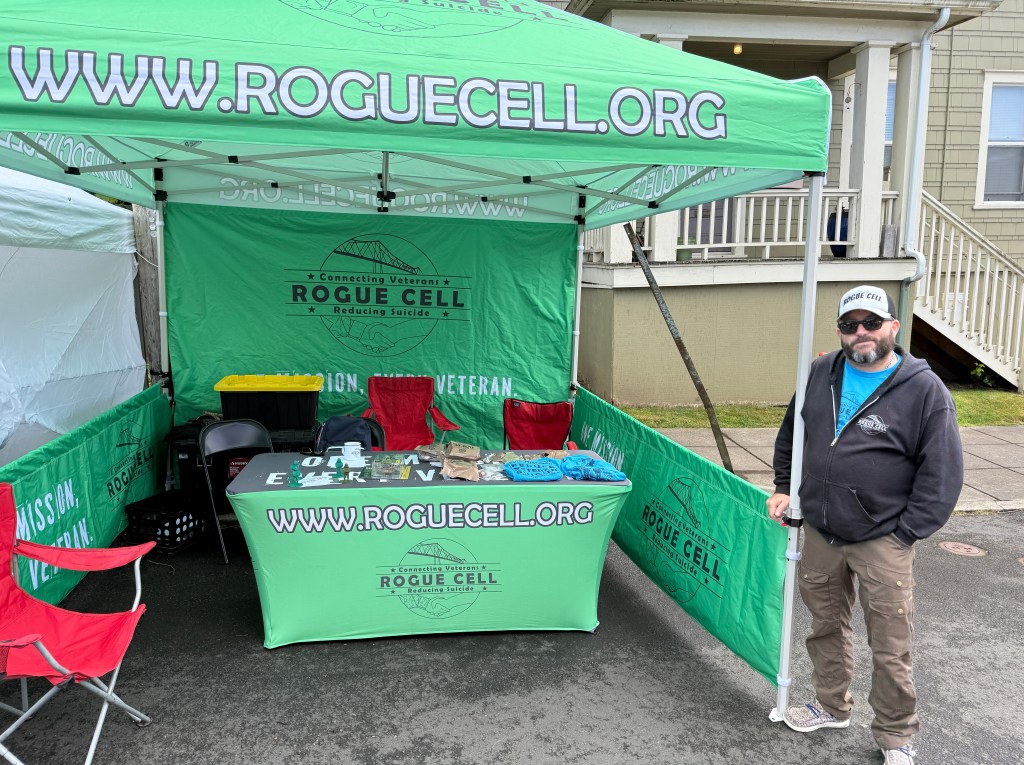

Saturday, Brad, Mike, and I set up the Rogue Cell tent at the KMUN Block Party. KMUN is more than a radio station. It is a community gathering place where local voices, music, public affairs, and culture are given room to breathe. I am so excited to listen to the new station KMUX. I love what Matt and Mari and the team are doing over there. If I am lucky enough to be voted in as Astoria’s next mayor, I will committ to be on their news shows to answer questions of what is going on in our city.
We spoke with many people who support Rogue Cell’s mission. Several also came over to ask about my campaign for mayor. When that happened I stepped away from our tent to talk. The question I heard most was whether I believed anyone else would enter the race and how another candidate might affect my campaign.
The honest answer is that I do not know who else may run, but another candidate wouldn’t change the work I am doing. I’m designing door hangers now and preparing to begin knocking on doors in late September and October. I will continue to attend meetings, visit local organizations, speak with residents, and learn how our city works from the people doing the work every day.
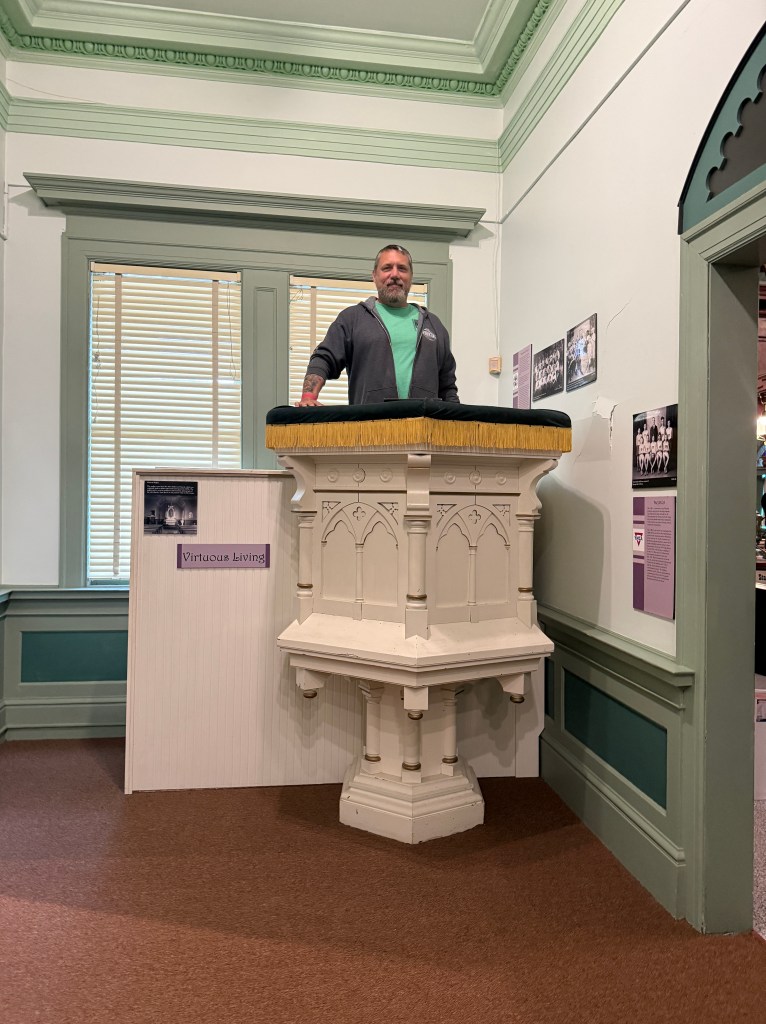


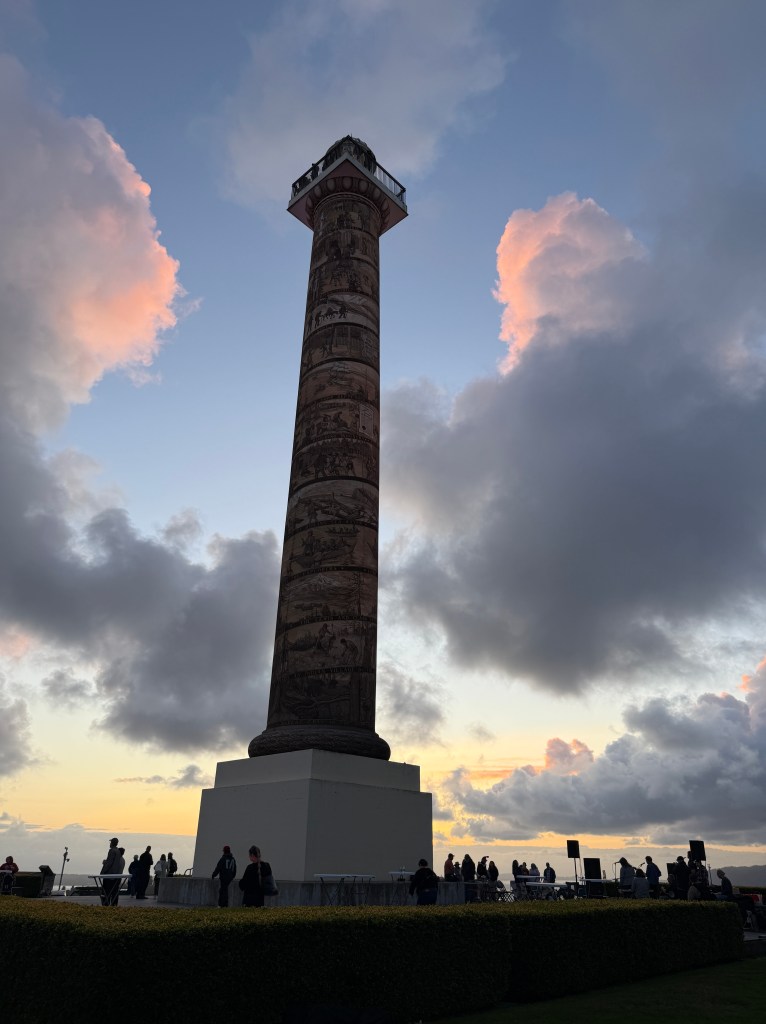
That evening, Kelly and I attended Night at the Museums. For $45 each, participants were shuttled among several museums, heard from local historians, enjoyed local wine and Fort George beer, and finished the evening at the Astoria Column with a salmon dinner and live music.
It brought together so many of the things that make Astoria special: history, art, food, music, and local businesses to create community. During dinner, I had the opportunity to speak with community leaders including Chris Nemlowill of Fort George, Kevin Leahy of Clatsop Economic Development Resources, David Reid of the Astoria-Warrenton Area Chamber of Commerce, Andy Bornstein of Bornstein Seafoods, and many others.
The people I spoke with may have different backgrounds and different ideas, but they share a genuine love for this town. Astoria is fortunate to have so many people willing to invest their time, money, imagination, and reputations in its future.
Sunday was family time. We had relatives visiting, so naturally we gave them the Astoria tour: the Column, the wreck of the Peter Iredale, and live music at the Lovell Taproom. Public service matters, but so does remembering why we serve in the first place. Family keeps us grounded. It reminds us that communities are not abstract collections of budgets, ordinances, and infrastructure. They are the places where people raise children, welcome relatives, build memories, and decide to call somewhere home.
This morning, I joined Kenny Hansen of Clatsop Community Action for a ride-along to learn more about the organization’s housing and food programs.
Our first stop was the Columbia Inn, which Clatsop Community Action operates as an emergency shelter. The facility has 21 rooms and 64 beds and serves families with children, young adults between 18 and 24, people with disabilities, veterans, and other residents needing temporary shelter and case-management services.
Marilynn, the manager, introduced me to staff and residents and showed me around. I learned that ten families with children are currently staying there and that the shelter has two rooms designated for young adults.
I asked whether the Columbia Inn had developed a formal connection with Tongue Point Job Corps. Job Corps offers eligible young adults education and career training, including preparation for jobs in the skilled trades. For a young person experiencing homelessness, that kind of opportunity can provide more than training. It can offer structure, stability, confidence, and a path toward a living-wage career. Marilynn agreed that the idea was worth pursuing. I intend to continue working with her and others to see whether we can build that connection.
That is what leadership should look like: listening to the people closest to a problem, recognizing an opportunity, connecting organizations, and then following through.
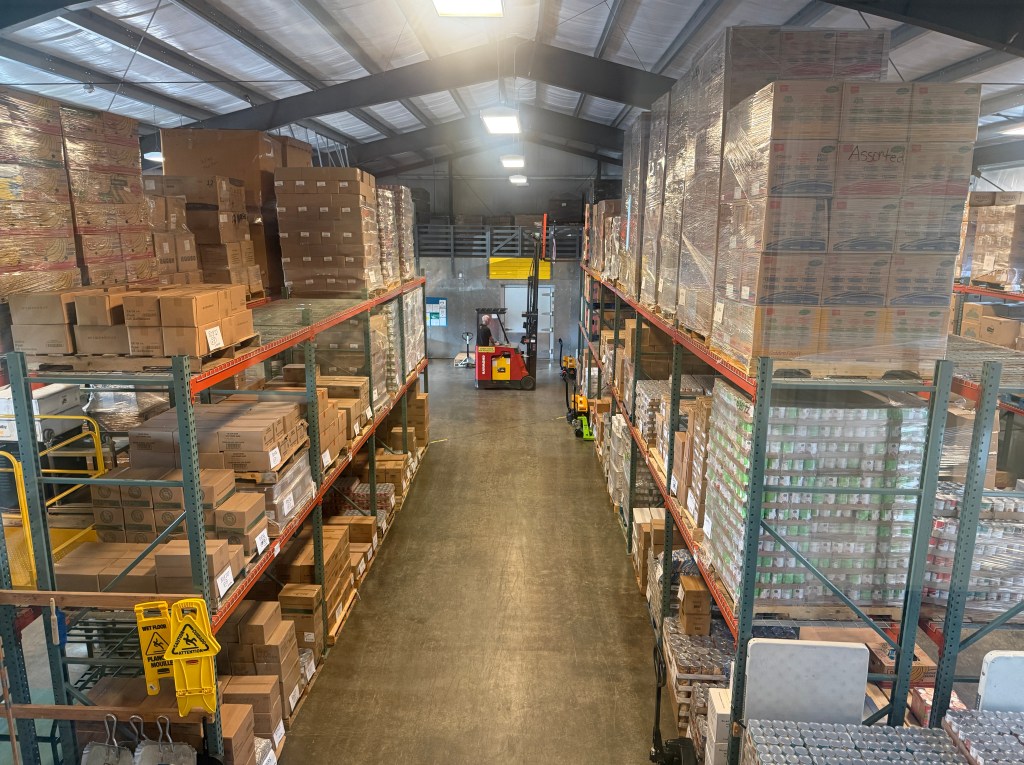

From the Columbia Inn, we traveled to the Clatsop Community Action Regional Food Bank in Warrenton. The warehouse supplies food through local pantries and remote distribution sites around the county, including a mobile stop near Tapiola Park in Astoria. If you have seen the large truck distributing food there, you may have seen Patrick and Chris at work.
Clatsop Community Action reports that more than one-quarter of Clatsop County residents qualify for emergency food assistance. The organization distributes more than one million pounds of food each year through its regional food bank and community partners.
Last Thursday, I was told that a record 483 families came to receive food. Jack, one of the workers in the warehouse, told me that they went through 20,000 pounds of produce that day. It is remarkable that our community can help that many families in one day. It is also heartbreaking that so many people need the help.
Those two truths can exist together.
We should be proud of the volunteers, employees, donors, farmers, businesses, and organizations keeping families fed, but we should never allow charitable success to hide the underlying problem. When hundreds of families line up for food, it tells us something about wages, housing costs, household budgets, and the economic pressure facing working people.
Our final stop was the Baker Building, a new permanent supportive housing facility operated by Clatsop Behavioral Healthcare.
The Baker Building has 32 single-occupancy apartments for people who have experienced chronic homelessness, often alongside serious mental illness or substance-use disorders. Residents receive stable housing with behavioral-health and supportive services available to help them rebuild independence.
Permanent supportive housing recognizes a basic reality: it is extremely difficult to address mental health, addiction, employment, or physical health while living outside and wondering where you will sleep each night.
The building isn’t a complete solution to homelessness, and no single program will be, but it is an important part of a larger system that must include emergency shelter, treatment, accountability, employment, transitional housing, and permanent housing.
Near the end of the ride-along, I had to step away for a video meeting with the Association of Oregon Counties, or AOC. I am now officially serving as a consulting member of its veterans workgroup. The workgroup is examining ways to improve tax benefits for veterans, active-duty service members, members of the Coast Guard, and the Oregon National Guard. We are also working to strengthen communication among the Oregon Department of Veterans’ Affairs, county governments, and cities.
Coincidentally, during the meeting I received an email asking for me to be on the ODVA’s Veteran Advocacy Board. I accepted.
Tonight, I will be at the Astoria City Council meeting.
This week took me from a birth center to homeless shelter, from the roof of the American Legion to the floor of the food bank, from a community-radio celebration to a statewide veterans meeting. At every stop, I found people working to make life better for someone else.
I also saw the connections between the challenges facing Astoria. Small businesses need a city that helps them succeed. Young people need a path to training and employment. Families need food and stable housing. Veterans need better coordination among the agencies created to serve them. Our museums, nonprofits, service organizations, and locally owned businesses need leaders who recognize their value and bring them together.
I won’t make any big campaign promises because the mayor of Astoria doesn’t have some magic way to build affordable houses or hire people at a living wage, but a mayor can connect people. A mayor can remove unnecessary barriers. A mayor can bring organizations to the same table and keep everyone focused on solutions.
Most importantly, a mayor can show up.
I am putting in the work because Astoria is worth the work.


Leave a comment