Shifting from Observing to active leadership
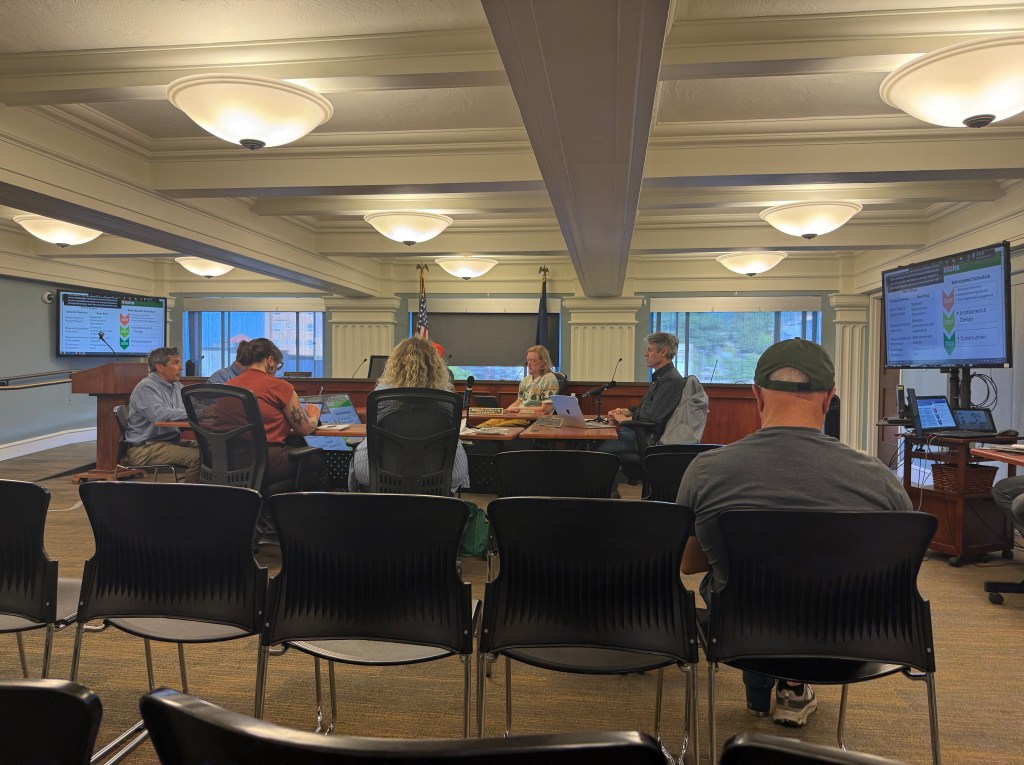
This week started Monday night at the Astoria City Council meeting, where the mayor swore in two new Astoria Police officers. The room was nearly full for the ceremony, and it was great to see so many people show up to support the officers and their families.
But after the swearing-in, almost everyone left. When the regular meeting began, only three members of the public remained. Public comment opened with one speaker who was very harsh toward the council. I understand people get frustrated by perceived inaction, and we definitely should hold our elected officials accountable. Public criticism is a big part of being democracy and being a politician, but I also think we need to remember that these are local public servants who stepped forward, ran for office, and took on positions that are often thankless. Local government is where a lot of the real work gets done, and it only works when people stay engaged, and Astoria city council members and mayor only get a small stipend monthly which, after taxes, is hardly enough for a car payment.
It all reminds me of the Plato quote: “The price good men pay for indifference to public affairs is to be ruled by evil men.” That is one of the biggest reasons I am running for mayor. Like many of you, I get frustrated by what I see happening in the country I love. But I believe the best way to affect change is to start here, in our own community, and work every day to make it better.
Tuesday was my second-to-last week of peer support training with the National Alliance on Mental Illness. This is a 40-hour course focused on listening, support, and helping people through difficult moments. I originally signed up because I want to do more to fight veteran suicide, but the tools I am learning apply far beyond that. Active listening, patience, and meeting people where they are can help in almost every part of life.
A few weeks ago, I did a ride-along with Kenny Hansen with Clatsop Community Action, and I can now see some of these same techniques in the way he talks with people who are homeless in Astoria. He knows names. He listens. He tries to build trust before trying to move someone toward services or a treatment plan. I think that matters. If we want to help people off the streets, we cannot treat them like outsiders or problems to be pushed away. We have to treat them like people first, because that is what they are. Wild concept, I know. Being humane works better when we remember human is the root word. That said, in my experience, if we give a person resources and they don’t value those resources, you will end up giving those resources forever. There must be a sense of accountability on both sides. While I want to protect our most vulnerable, they must put as much effort into the relationship as we do, or nothing will happen.
Yesterday, I attended the Chamber of Commerce meeting with Astoria Police Chief Stacy Kelly, Clatsop County Sheriff Matt Phillips, and District Attorney Ron Brown. The conversation focused on public safety, repeat offenders, mental health, camping enforcement, and the limits local officials face under current Oregon law. The main takeaway was that many people are frustrated because they see the same problems over and over, but local police and prosecutors are often working inside a system that does not give them as many tools as the public assumes they have. Senate Bill 48 came up several times because it limits who can be held in jail before arraignment. Mental health commitments were also discussed, especially the high legal standard required before someone can be held for treatment. The positive part of the conversation was that everyone at the table seemed to agree the system needs work, public communication needs to improve, and local leaders need to keep pushing for practical fixes that make sense for small rural communities like ours.
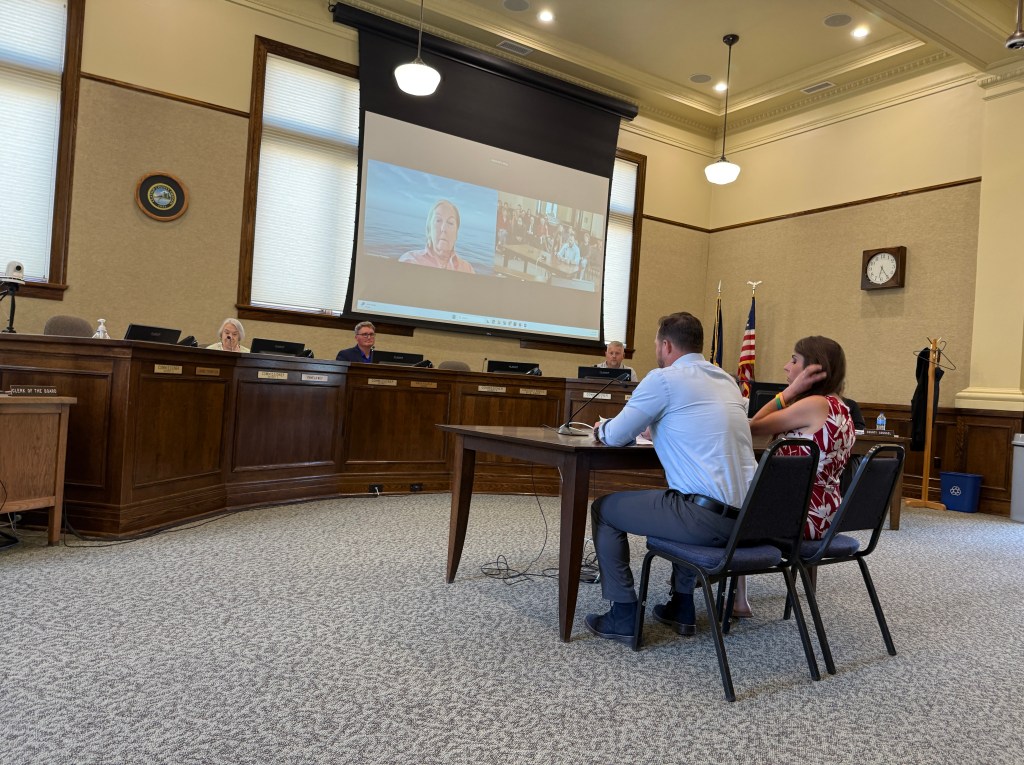
Last night, I also attended the Clatsop County Commission meeting, where leaders from LiFEBoat Services came to speak after learning their shelter funding may be cut dramatically this coming year. The county’s regional shelter program is trying to stretch limited state money across 228 shelter beds countywide. According to the county’s FAQ, that works out to about $7,390 per bed per year, which is not enough to fully fund the system. The county is using a formula that considers the number of beds, hours of operation, and whether a shelter provides integrated case management and behavioral health support. That means some providers, including LiFEBoat, are being hit harder than others as the county tries to spread the money across the whole shelter system.
This is not a simple issue. LiFEBoat provides a basic overnight shelter model that fills a real need, especially for people who need immediate shelter at night. Other providers offer 24/7 housing-focused or recovery-based beds, which are also essential. The challenge is that the state has not provided enough money to fully support all of it. That leaves local providers, county staff, and the people depending on these beds stuck in the middle, which is exactly where we keep putting the hardest problems in America. Compassion should outweigh spreadsheets, but without funding, programs fail.
The time for simply observing our challenges is shifting into a time for active leadership. That means showing up, listening carefully, making sound decisions, taking responsibility, and keeping people informed. It means knowing our community well enough to understand both its strengths and its struggles, and then putting people in a position to succeed.
That is how I intend to lead: with accountability, clear communication, and a commitment to action.
Astoria deserves leadership that does more than watch problems unfold. It deserves leadership that steps forward, brings people together, and gets to work.
Respectfully,
Sean Davis


Leave a comment