On Monday night, I attended the Astoria City Council meeting. The agenda covered a lot of ground. Council honored local valedictorians, recognized Pride Month, and issued a proclamation for the Short Circuit anniversary. The larger city business included a public hearing on vacating portions of Franklin Avenue, 20th Street, and 22nd Street near Columbia Memorial Hospital to support CMH’s expansion plans; adoption of the City’s 2026–2027 budget; authorization to receive state shared revenues; early steps toward replacing the unsafe 17th Street floating dock; a grant amendment for much-needed sewage lift station rehabilitation; and discussion of the scope of work for Astoria’s homeless liaison.
That is the kind of meeting that reminds me how much of city government is not glamorous. It is budgets, infrastructure, docks, lift stations, hospitals, public safety, and human need. Not exactly campaign-poster material, unless someone has a real passion for municipal sewer screws, but this is where the work is. These are the nuts and bolts of a city, and when they are neglected, people feel it.
Tuesday night, I was at Ric’s Open Mic at WineKraft, where we launched the first issue of Ataraxia Quarterly, a new literary magazine. It was a powerful night. I listened to poets, writers, and artists share work that was honest, raw, funny, strange, and deeply human. That is one of the things I love about Astoria. We are a working town, a river town, a port town, and an arts town. Those things do not compete with each other. They are all part of who we are.
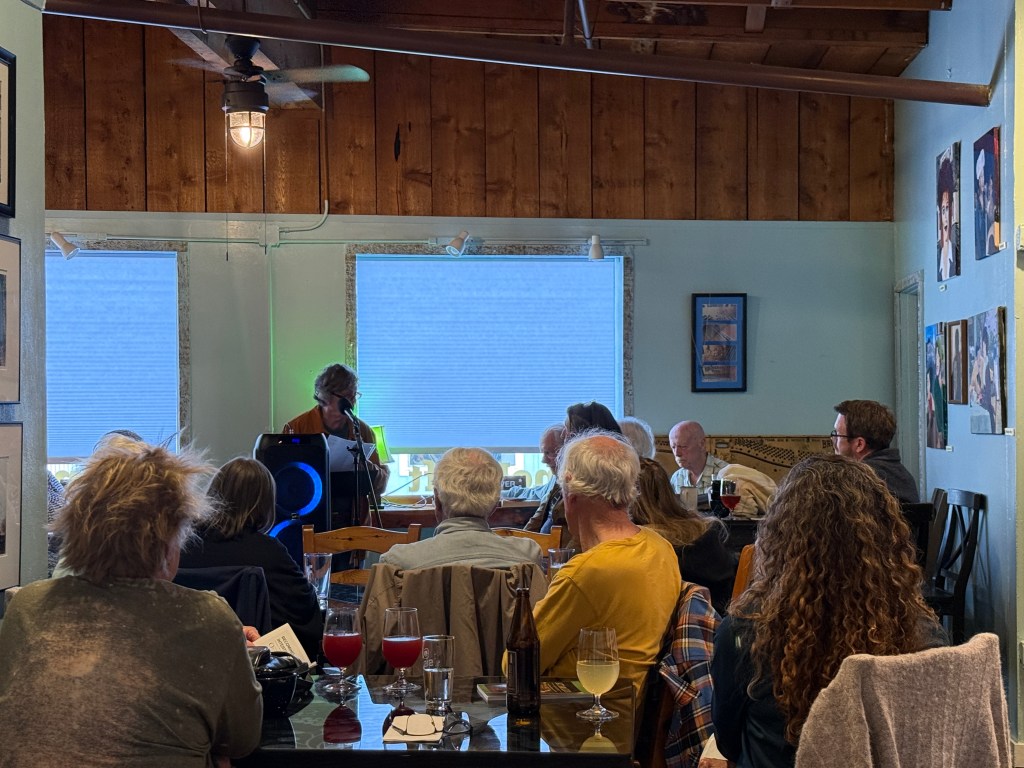
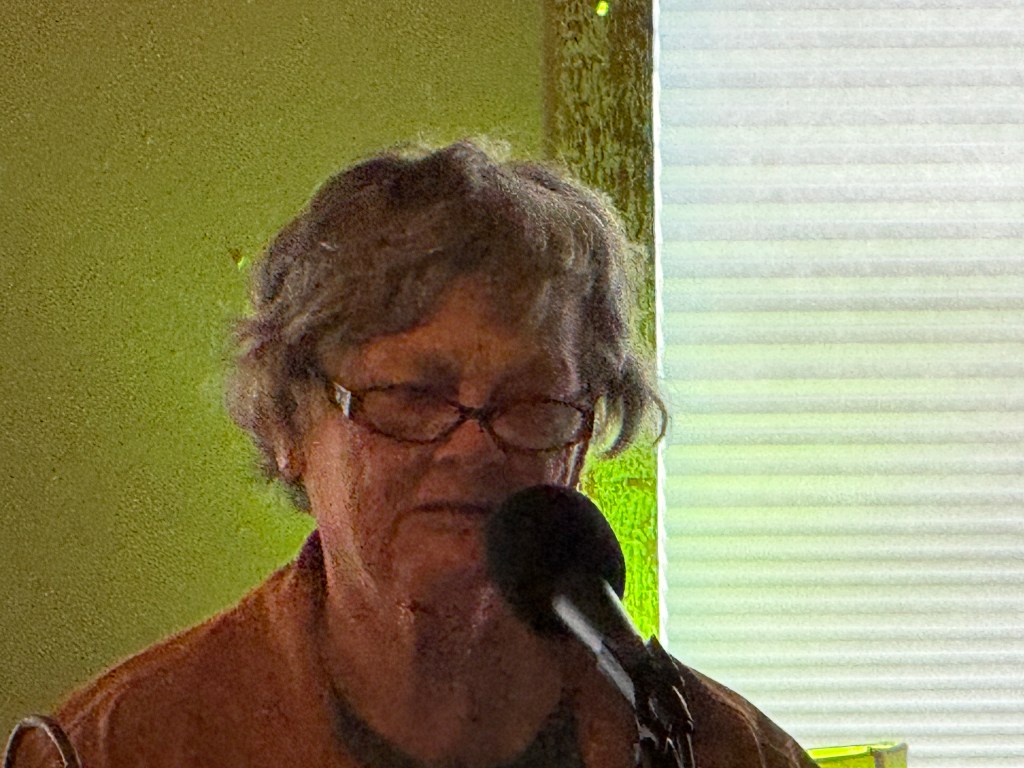
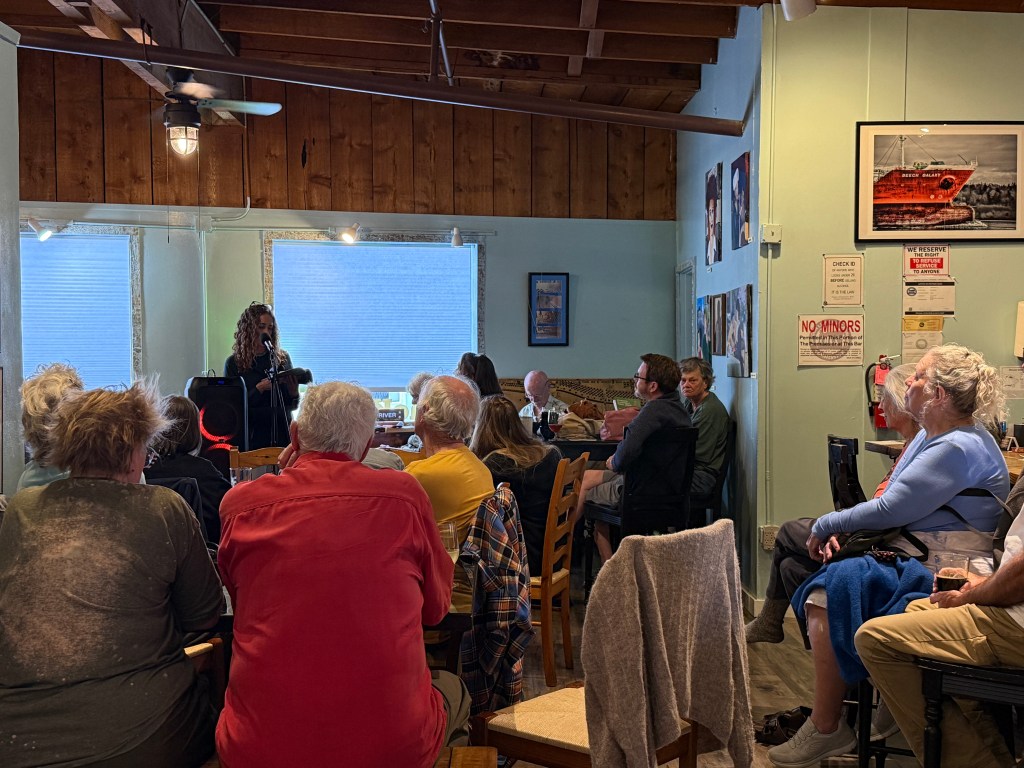
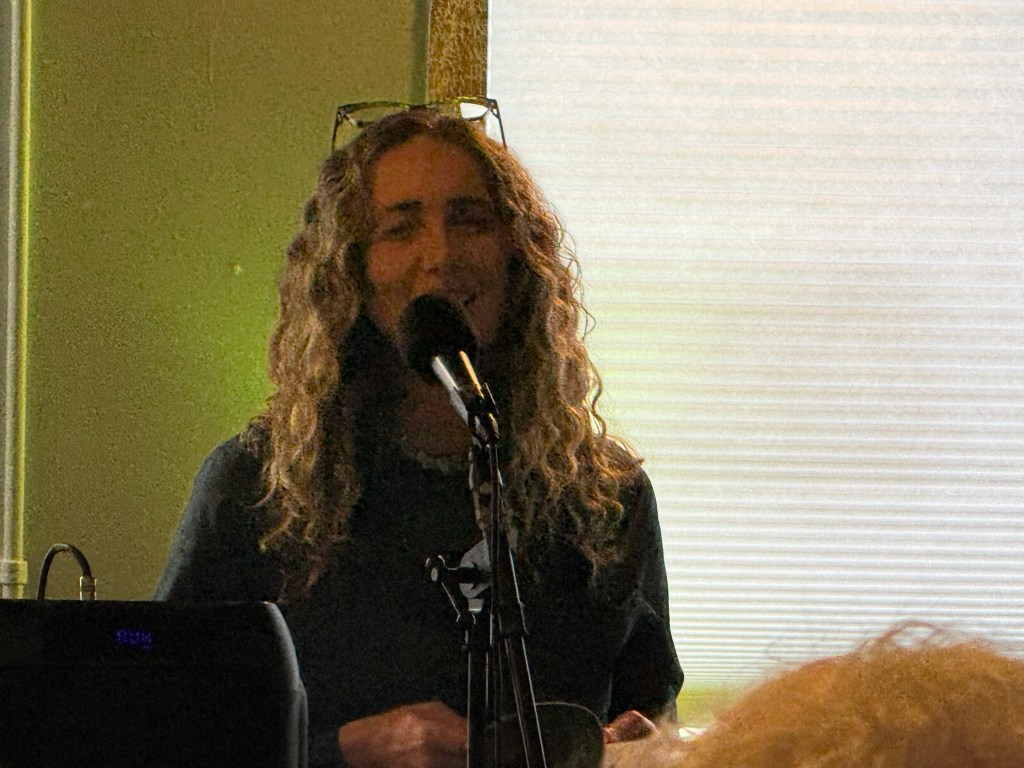
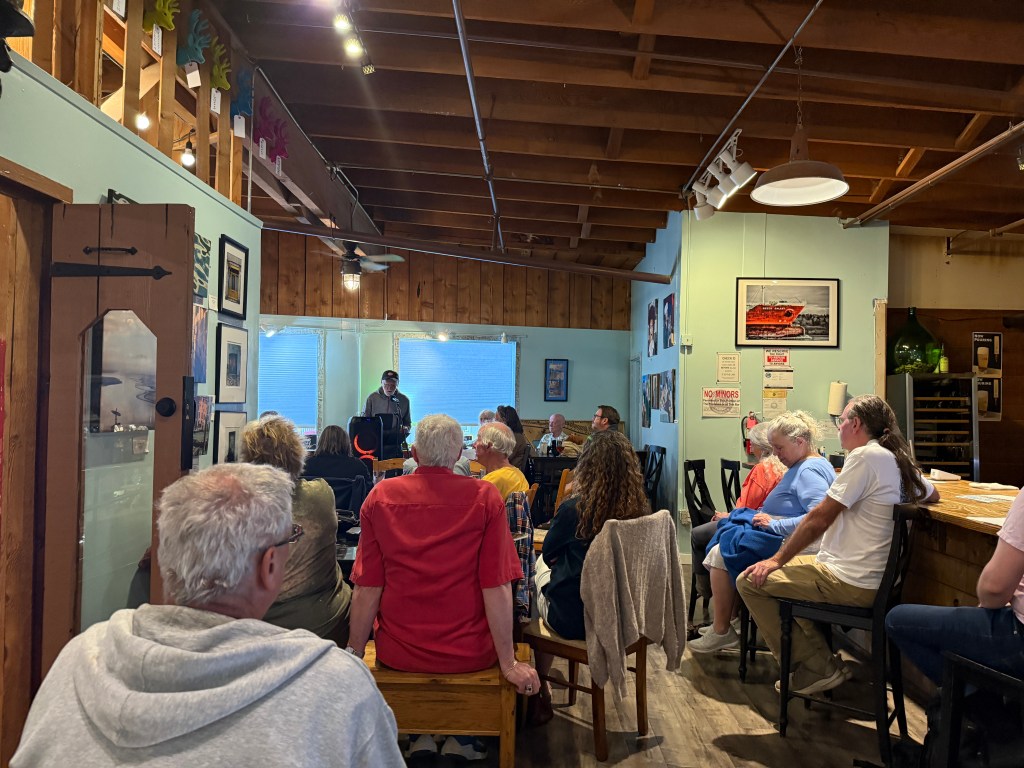
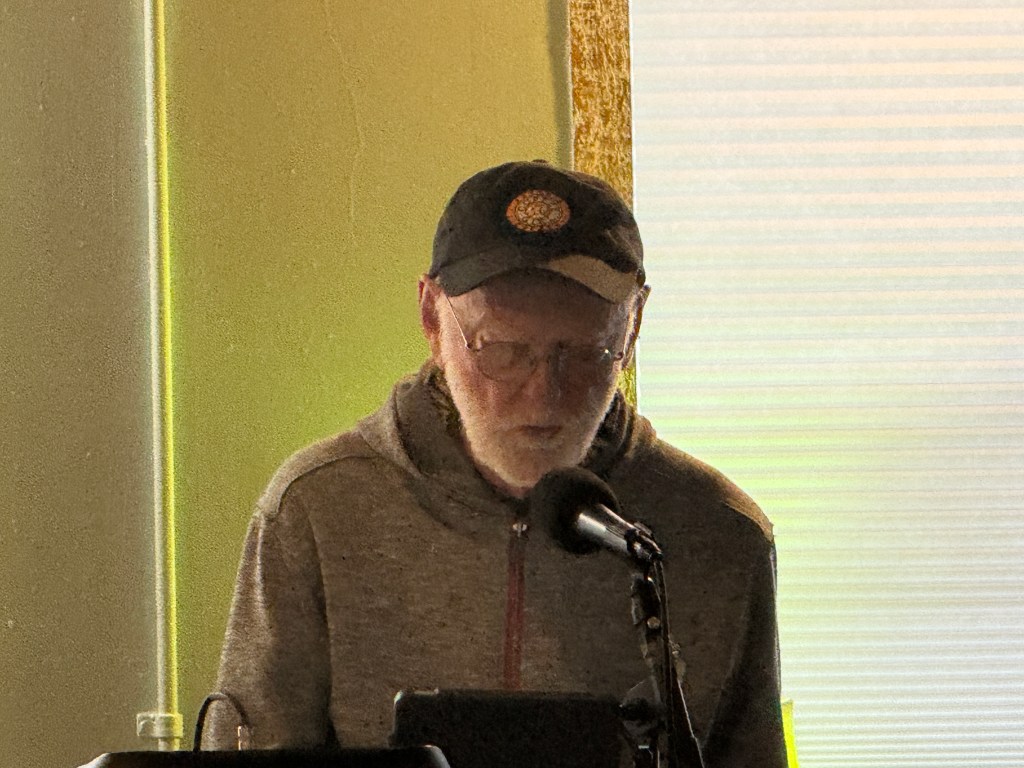
Art matters because it gives community a voice. It gives people a way to tell the truth when normal language fails. I know that personally. Writing and art helped me come home from war. They helped me make sense of things that did not make sense. Seeing so many people stand up and share their words reminded me again that Astoria’s creative community is not decoration. It is part of our strength.
Wednesday night, I went to the McTavish Room at the Liberty Theatre for the Maps Credit Union gathering. It was a great night with local nonprofits, business owners, community leaders, and neighbors. I saw many familiar faces and met people I had not had the chance to talk with before. That is how community gets built: not just through big speeches or official meetings, but through conversations, handshakes, shared ideas, and people finding ways to help each other.
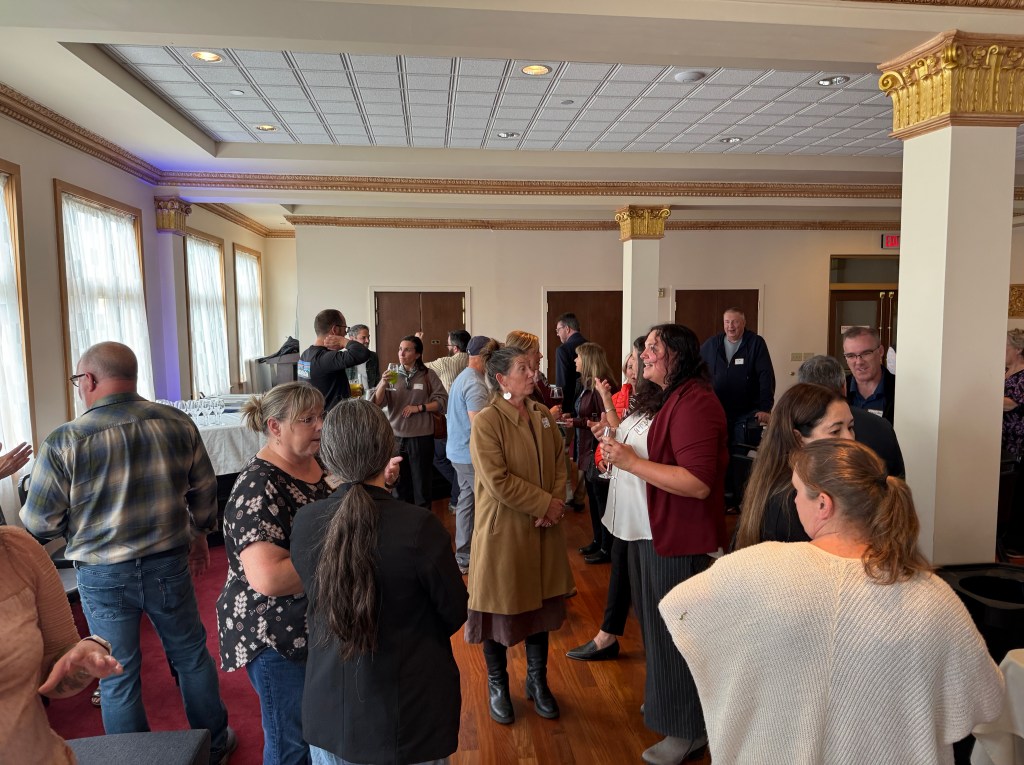
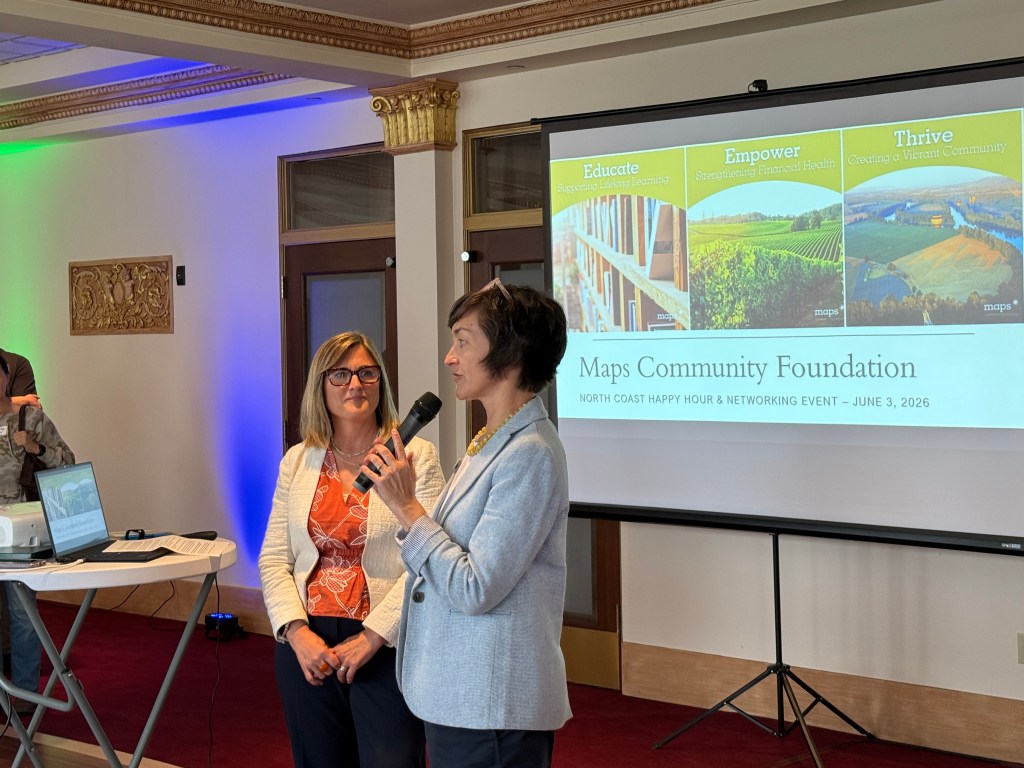
I am looking forward to seeing how Maps Credit Union continues to invest in and support our community. Strong local institutions matter. When businesses, nonprofits, civic groups, and neighbors work together, Astoria becomes more resilient. We cannot solve every problem from City Hall alone, and we should not pretend we can. The best solutions come when the whole community is involved.
On Thursday, I started my peer support training, a forty-hour class focused on helping people through lived experience, connection, and practical support. This work matters to me. As a veteran, as someone who has worked with other veterans, and as a co-founder of Rogue Cell, I have seen how powerful it can be when someone in crisis is met by a person who understands, listens, and does not judge.
Peer support is not about having all the answers. It is about showing up. It is about helping people feel less alone. It is about building trust, one conversation at a time. That same idea applies to public service. A mayor should listen first, understand the problem, bring people together, and then do the work.
On Friday, Rogue Cell was in charge of security and VIP shuttling for the Short Circuit 40th Anniversary event. It was one of those strange and wonderful Astoria moments where community service, nostalgia, veterans, movies, and pure chaos all came together and somehow made sense. Rogue Cell volunteers helped make sure people got where they needed to be, the VIPs were taken care of, and the event could run smoothly.
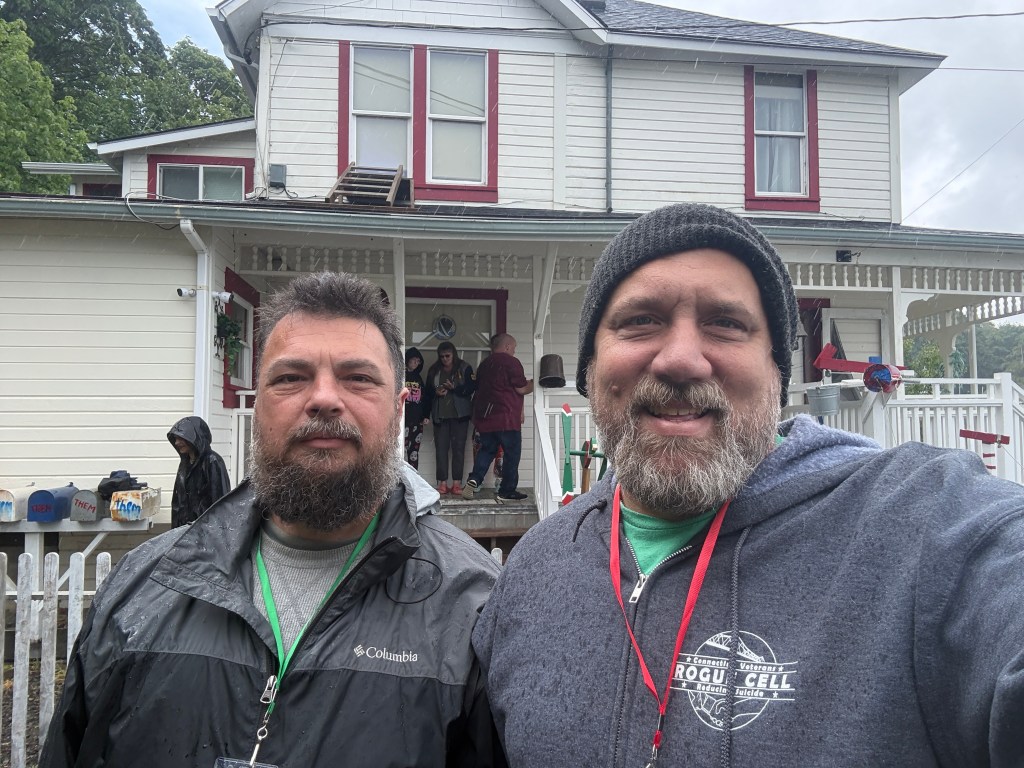
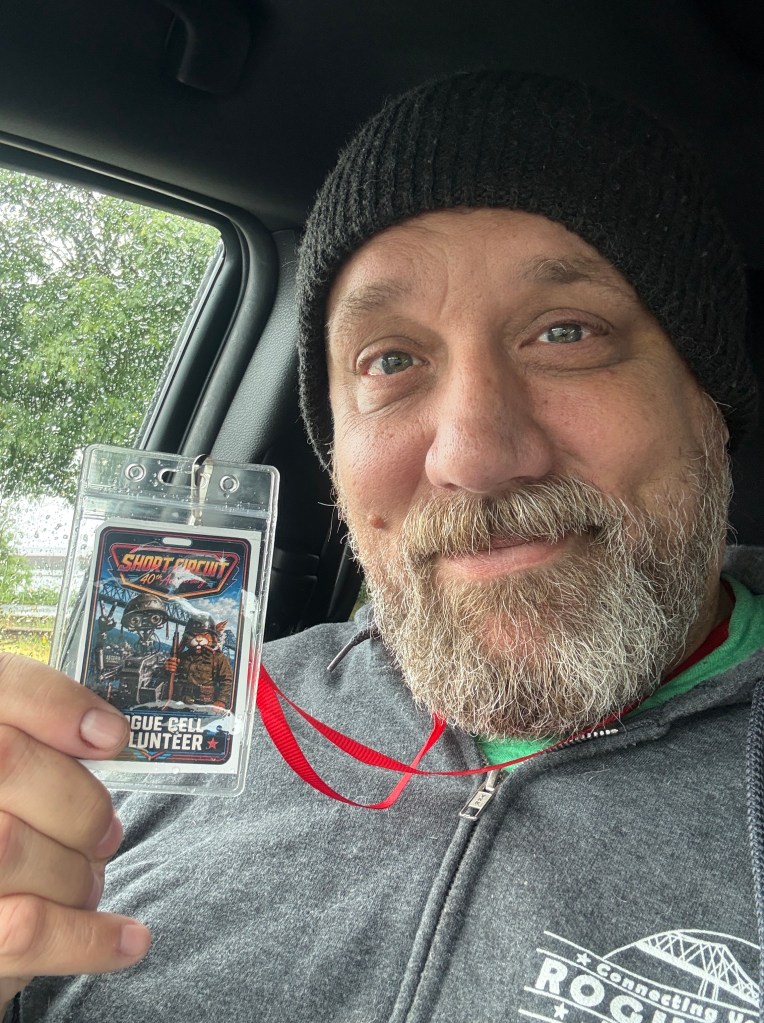
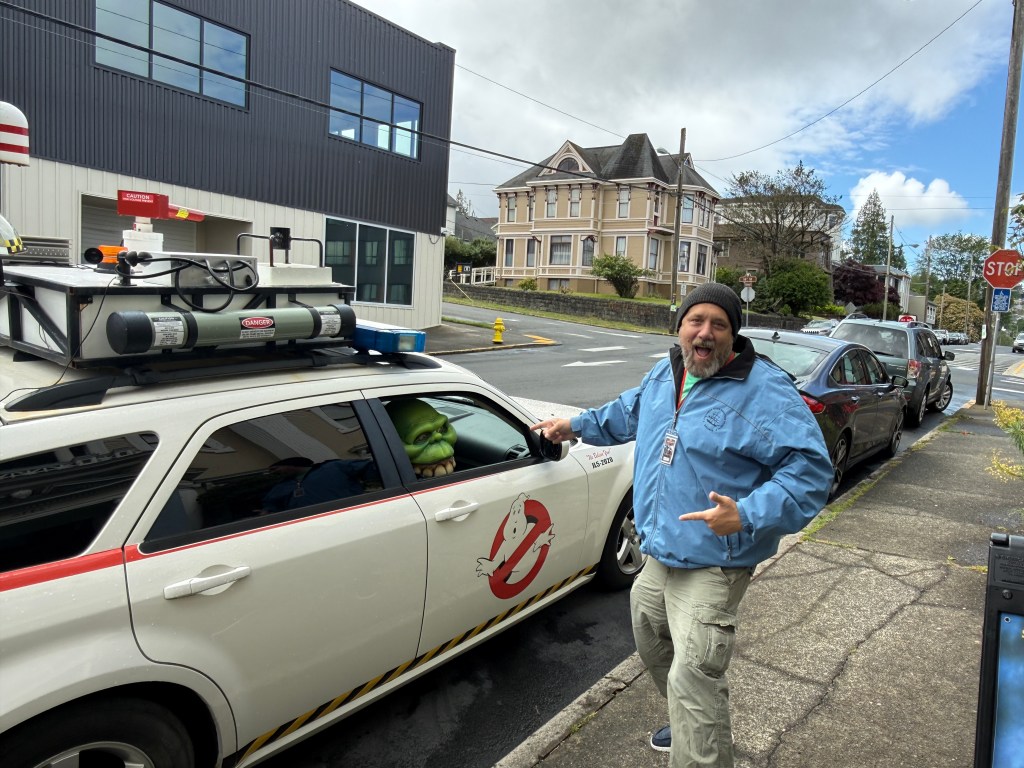
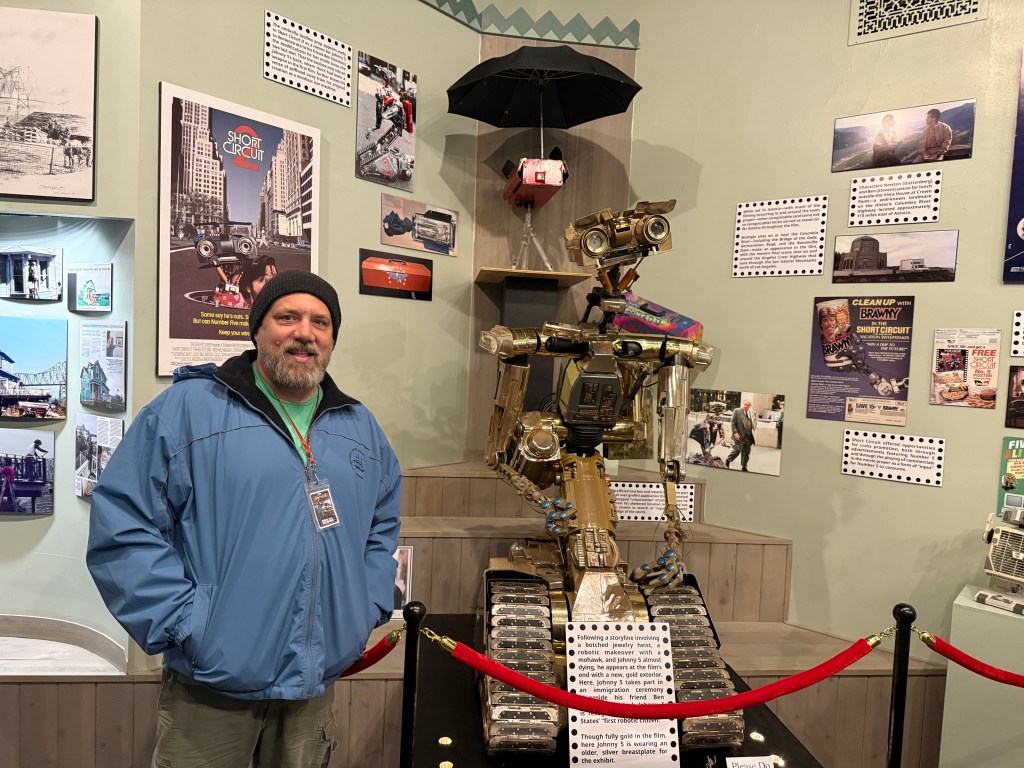
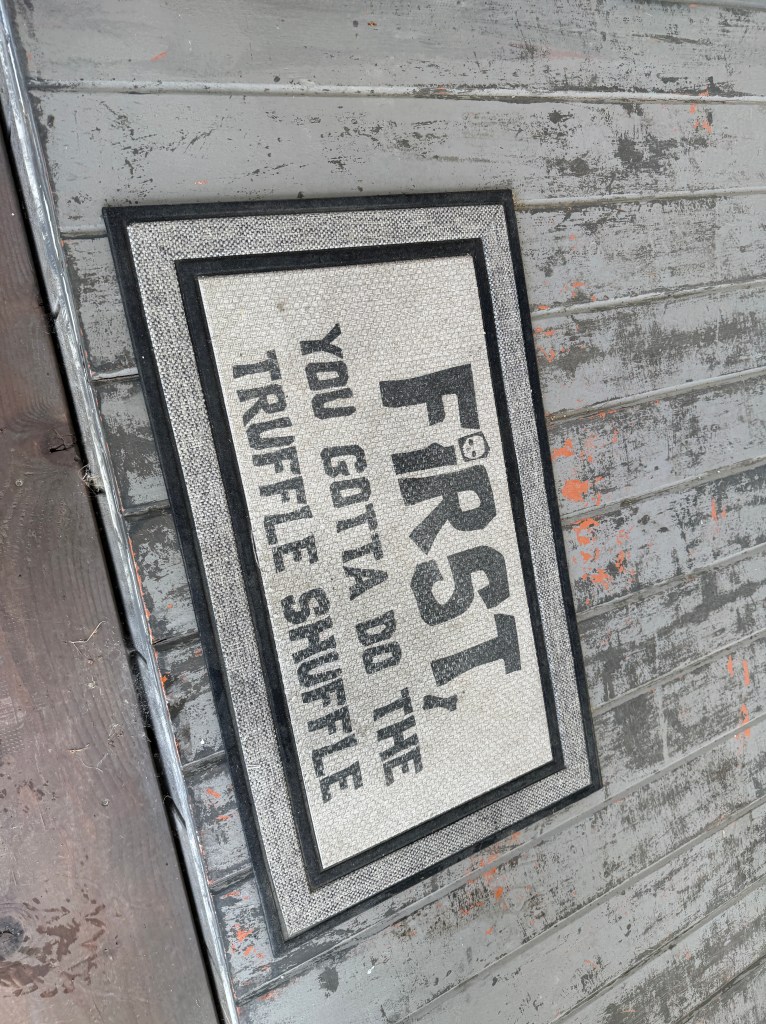
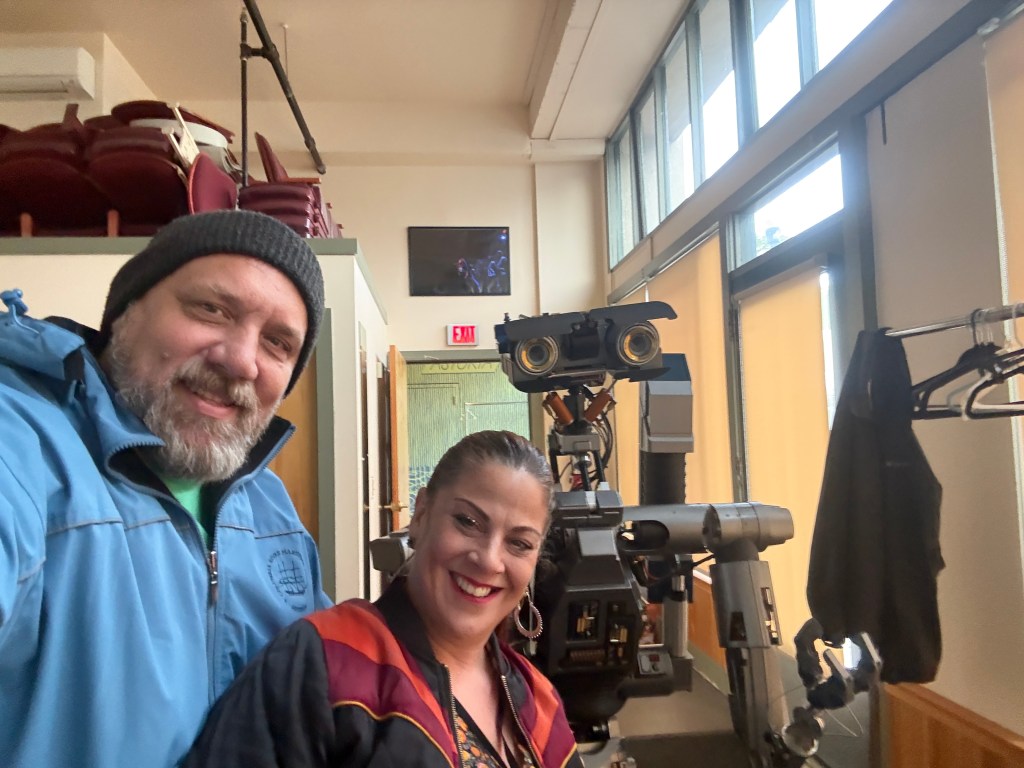
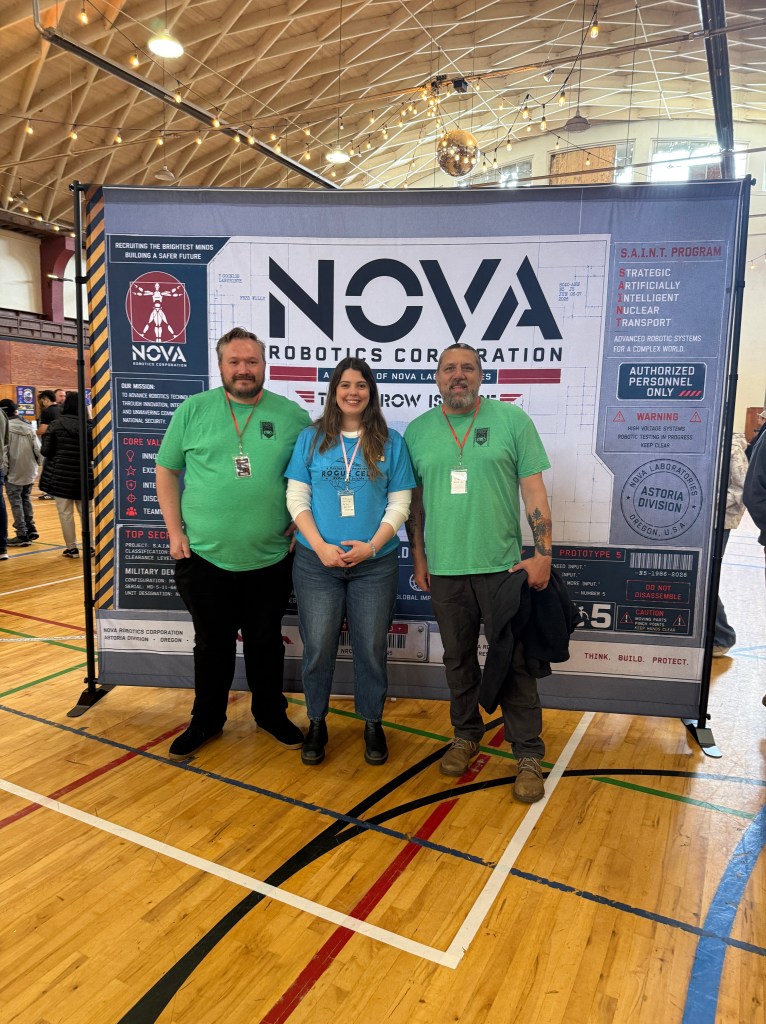
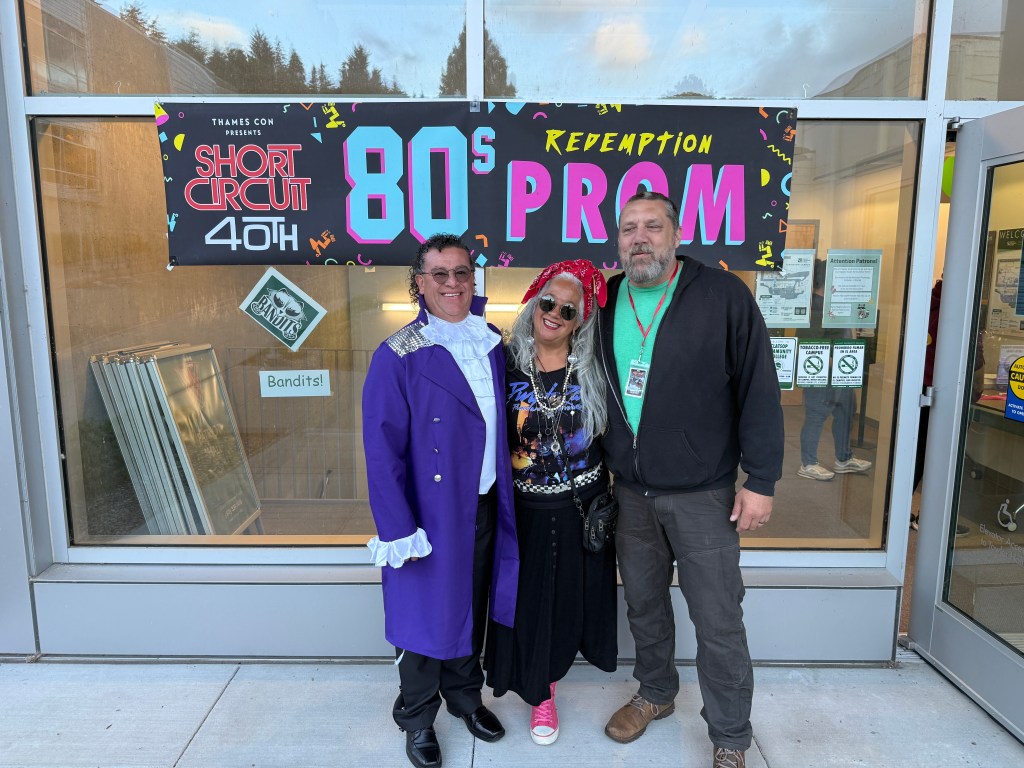
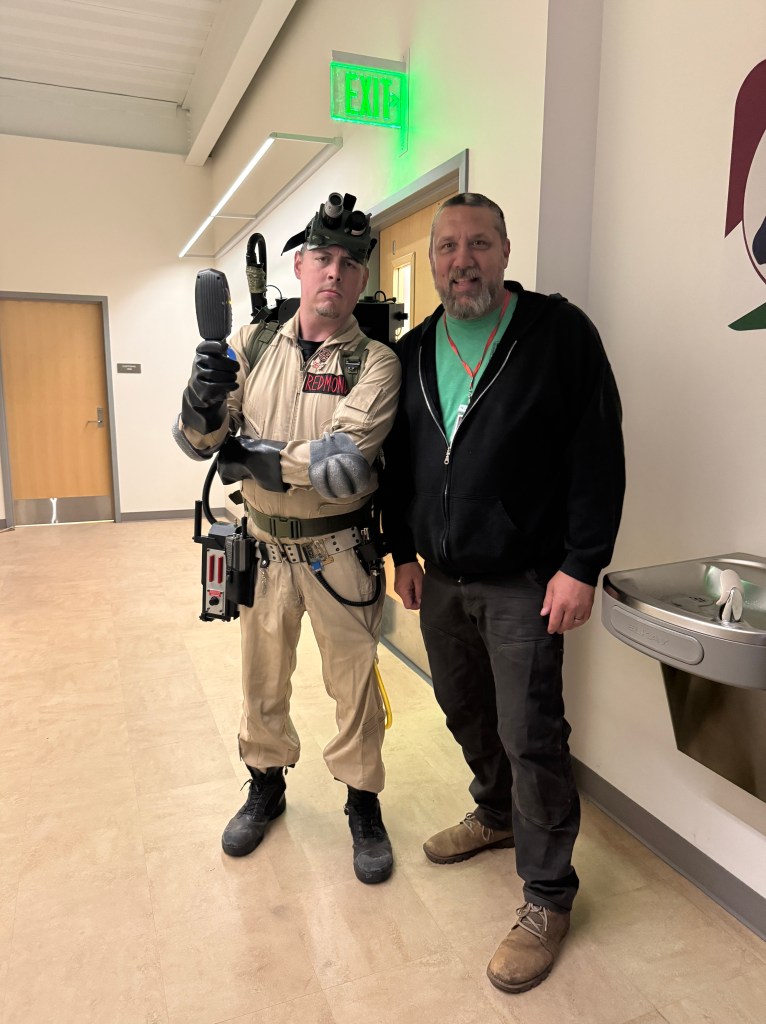
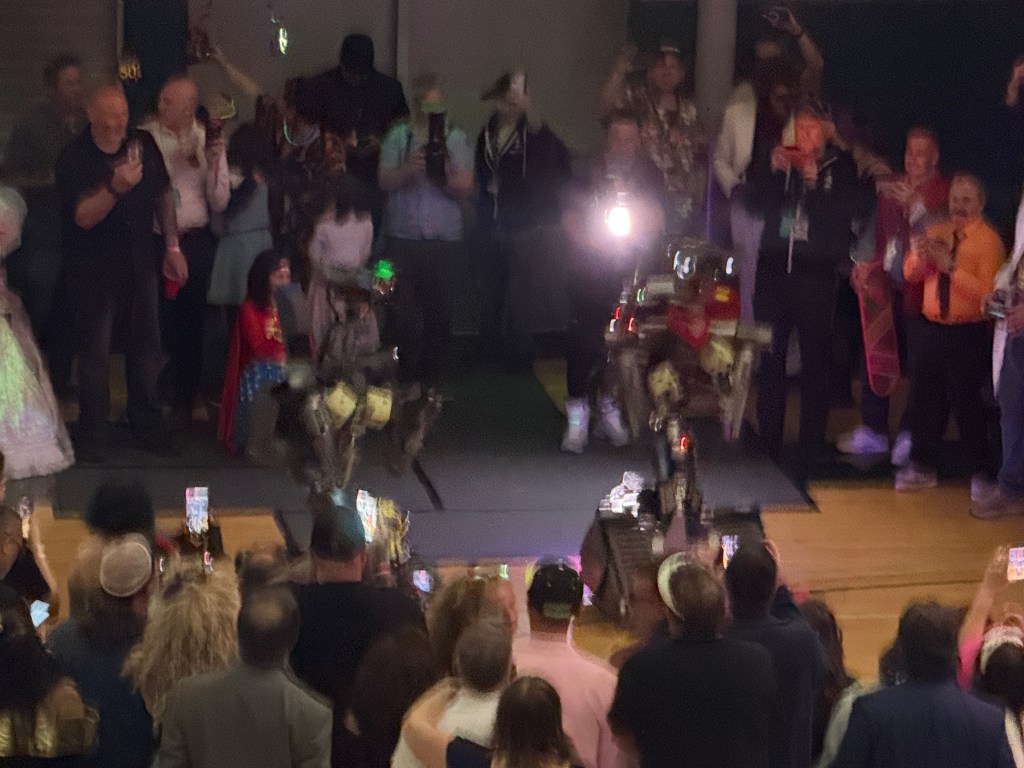
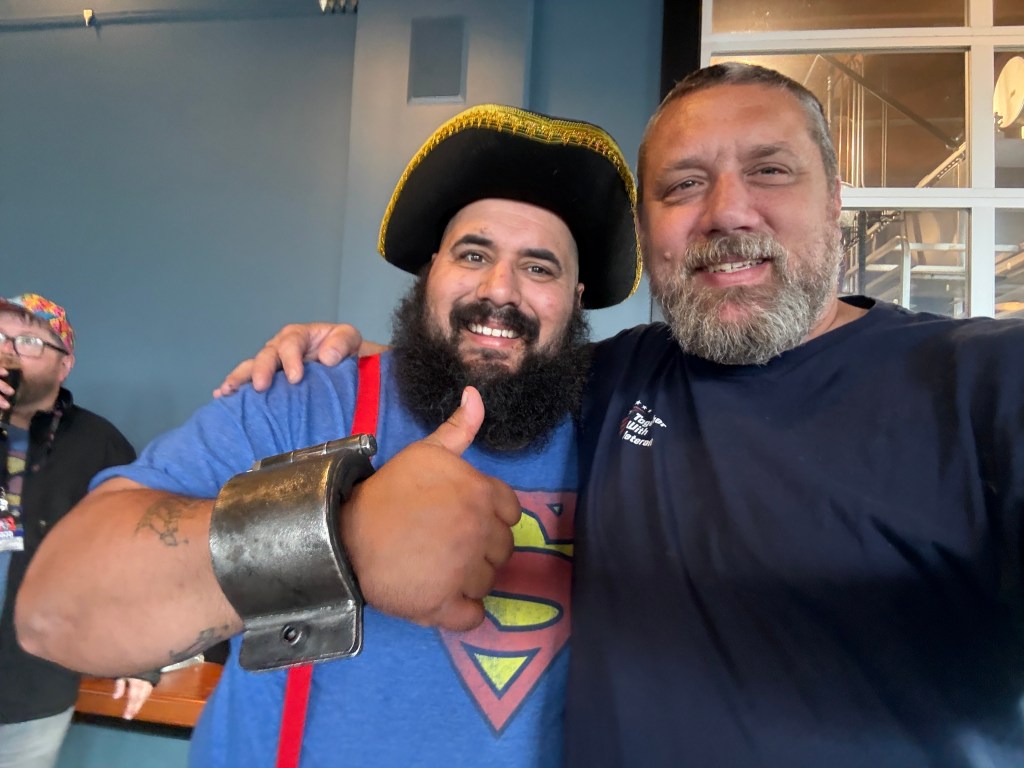
I also had the chance to eat pizza with Steve Guttenberg and hear him talk about his father, who served in World War II as an airborne ranger. That kind of conversation stays with you. We also gave Rogue Cell shirts to the VIPs, and Ally Sheedy gave me a big hug. I am not going to pretend that was not a pretty great moment.
But the best part of the night was not the celebrity part. The best part was watching veterans show up to serve their community again. Many of our Rogue Cell volunteers were veterans, and one of them thanked me afterward. He told me the event gave him a reason to get off his farm and remember that he was human.
That is what it is all about.
That is Rogue Cell at its best. It is not just about events, radios, shirts, or schedules. It is about giving people purpose, connection, and a reason to come back into the world. It is about reminding veterans, and really all people, that they still matter and that their community still needs them.
This week was a good reminder of why I am running. Astoria needs leadership that pays attention to the whole picture: infrastructure, housing, homelessness, emergency preparedness, local businesses, working families, nonprofits, veterans, artists, and young people. None of these exist in separate boxes. They are all connected because we are all connected.
I believe Astoria’s future depends on showing up consistently, listening honestly, and doing the unglamorous work well. I believe that this amazingi town needs active leadership and a mayor who is out there ready to work. That is what I am trying to do every week.
Astoria is home.
 Sean Davis for Astoria
Leave a comment