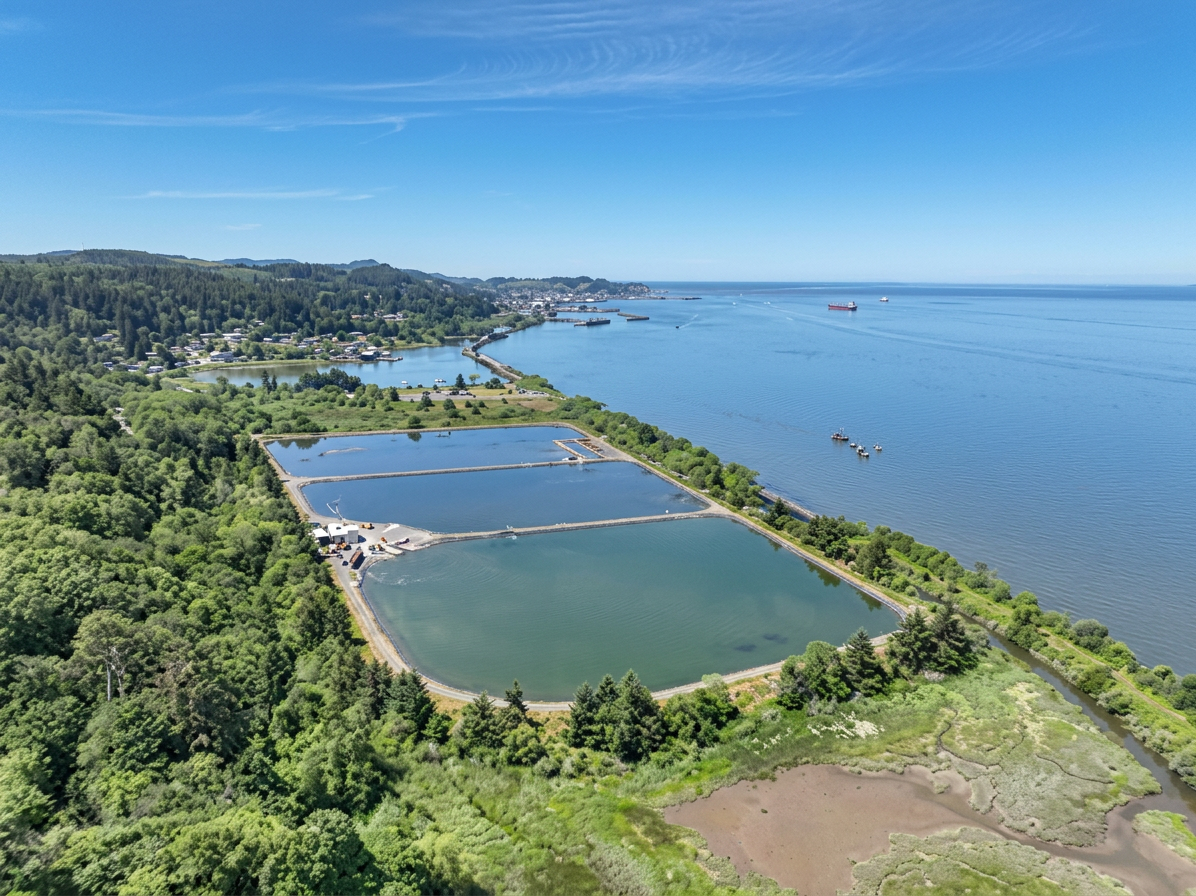
Astoria is incredibly lucky. We own our own watershed.
That is rare. That is valuable. That is one of the great strengths of this town. Astoria’s drinking water comes from the Bear Creek Watershed, a 3,700-acre, city-owned and protected area about 12 miles east of town. The city’s own water materials describe it as the sole source of Astoria’s water supply.
That means water is not just something we use. It is part of who we are. It is part of our history, our economy, our health, and our future.
So when we talk about economic development, we need to talk about water. Not just drinking water, but process water: the water used by breweries, seafood processors, restaurants, hotels, and working waterfront businesses. One person’s waste is another person’s opportunity. If we manage it well, this water can help create jobs, support local industry, protect the Columbia River, and strengthen Astoria’s long-term economic viability.
Everyone I speak with says some version of the same thing: Astoria needs to honor its character while encouraging responsible economic growth.
I agree. That is exactly what this issue does.
Astoria’s character is not just old buildings and pretty views. It is the river. It is the working waterfront. It is seafood. It is beer. It is small businesses, local jobs, and people building something real in a town they love. Fort George, Buoy Beer, Astoria Brewing Company, Obelisk Beer Co., and our seafood processors, including Bornstein Seafoods, Da Yang Seafood, and Ocean Beauty Seafoods, are part of that identity. They are not outside Astoria’s character. They are Astoria’s character.
But right now, our infrastructure is limiting our future.
Astoria’s sewer interceptor system and treatment plant were built in 1974. The city operates 72 miles of sewer lines, and the city’s Integrated Plan says the system is generally in poor condition due to age. That is not an attack on public works staff. They are doing hard work with aging systems, limited staff, and decades of deferred maintenance. It is simply the reality we inherited.
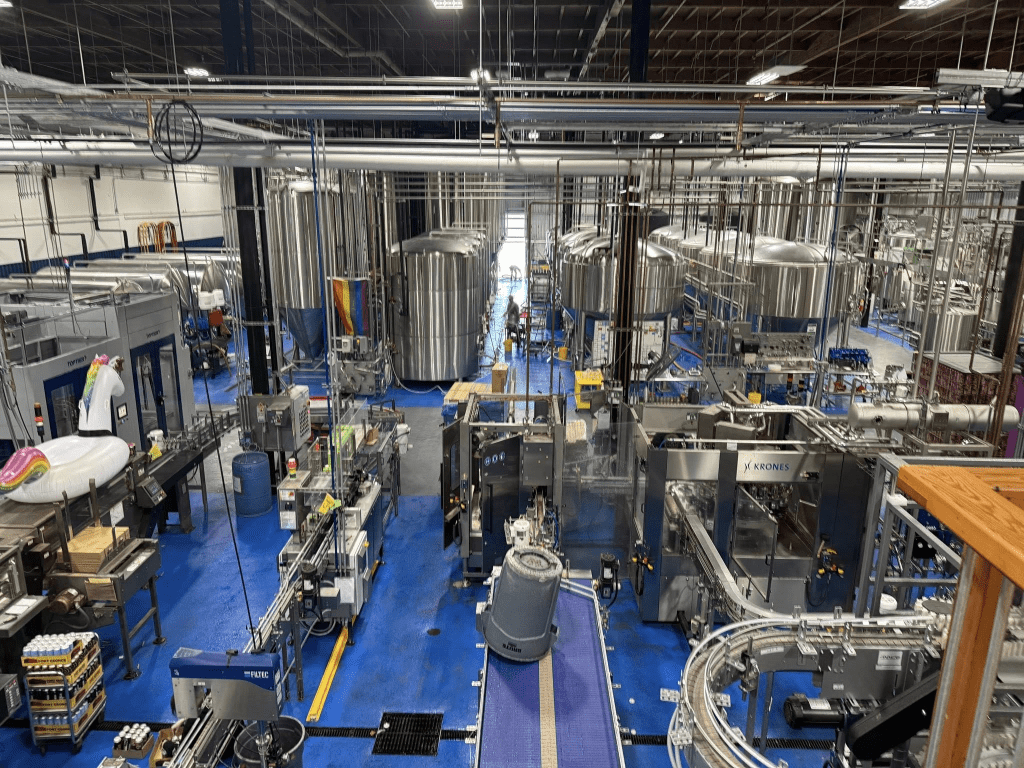
When I spoke with Fort George co-founder Chris Nemlowill, he told me Fort George is trucking roughly 2,000 gallons of processed water out of town every day. He told me they would pay extra if it meant they could stop doing that and keep that water in Astoria’s system. He also told me their large production brewery on Marine Drive has been limited to roughly the treatment footprint of a family of four.
Think about that. One of Astoria’s largest employers, one of the businesses most associated with our city, is trying to grow under limits designed for a household. That is not economic development. That is a bottleneck wearing a municipal nametag.
And Fort George is not the only business affected. Breweries, seafood processors, and future waterfront businesses all depend on water capacity. If we want living-wage industrial and commercial jobs, we need infrastructure that can support them.
The good news is that our breweries are not asking to dump untreated material into the system. Under Astoria’s industrial pretreatment program, breweries are already permitted and regulated. The city’s Integrated Plan says all breweries are now under permit, including the two largest producers, Fort George and Buoy Beer. It also says the program was necessary because of high BOD, or biochemical oxygen demand, from the fermentation industry, and that collaborative work has reduced those levels and eliminated threats of industrial BOD permit exceedances.
In plain English: the breweries are already doing the responsible work. They capture solids, control flow, monitor pH, and use pretreatment systems. Fort George says its Waterfront facility uses BioGill Ultra BioReactors that reduce its brewery process water strength by more than 90%, down to the equivalent of a single four-person home.
So the question is not whether we should protect the Columbia River. We must. The question is whether we can protect the river and help local businesses grow.
I believe we can.
The current treatment plant headworks project is important. It includes new flow measurement, screening, grit removal, pond baffles, and removal of accumulated solids. The city received a $4.86 million ARPA grant for the project, but construction costs pushed the total to about $9.8 million, requiring more grant money and a loan.
That raises a fair question: if this funding was connected to improving the system so our local industries could function, why are businesses like Fort George still trucking process water out of town?
The likely answer is that the plant was in worse condition than many people realized. The money first had to go toward basic system improvements: measuring flow, removing grit, screening solids, improving pond performance, and restoring lost capacity. That work matters. But it should not be the end of the vision.
It should be the beginning.
Here is the policy path I support:
First, finish the current treatment plant improvements and make sure they work as designed.
Second, fund a real Wastewater Collection System Assessment and Master Plan, with a specific Industrial Process Water Capacity Study focused on breweries, seafood processors, and future waterfront businesses. The city’s own capital plan lists that master plan as an unfunded need. Before we guess, we need facts.
Third, create an Industrial Process Water Partnership Program. Businesses that need more capacity should help pay for the capacity they use, while residential ratepayers are protected. Rates should reflect flow, BOD, solids, treatment difficulty, and monitoring costs. A gallon from a brewery is not the same as a gallon from a shower, and our system should be honest about that.
Fourth, keep strong pretreatment rules in place. Capturing solids, controlling pH, metering flow, equalizing discharge, and monitoring loads are how we protect the river while making room for economic growth.
Fifth, pursue every reasonable funding source available: Oregon DEQ Clean Water State Revolving Fund loans, Business Oregon infrastructure programs, federal water infrastructure dollars, forgivable loan opportunities, system development charges, and public-private cost sharing.
This is not about running a negative campaign. It is about having a positive vision.
I have read plan after plan: five-year plans, master plans, infrastructure plans, housing plans, economic development documents. Many of them contain good work. But too often, they sit in separate boxes. Water in one box. Jobs in another. Housing in another. Tourism in another. The river in another. Then we act surprised when the pieces do not fit together, as if civic planning were a junk drawer with a staff report attached.
Astoria needs a common goal.
We need to ask: what kind of town do we want to become, and what infrastructure do we need to get there?
I believe Astoria can be a town that protects its watershed, protects the Columbia River, supports local businesses, grows living-wage jobs, and honors its working waterfront. We do not have to choose between beer and the river. We do not have to choose between jobs and stewardship. Done right, they strengthen each other.
Every gallon of process water trucked out of Astoria is money leaving town. It is opportunity leaving town. It is expansion delayed, jobs not created, and local businesses forced to work around a system that should be helping them succeed.
Astoria has the water. Astoria has the businesses. Astoria has the workers. Astoria has the character.
Now we need the vision to connect them.


Leave a comment