
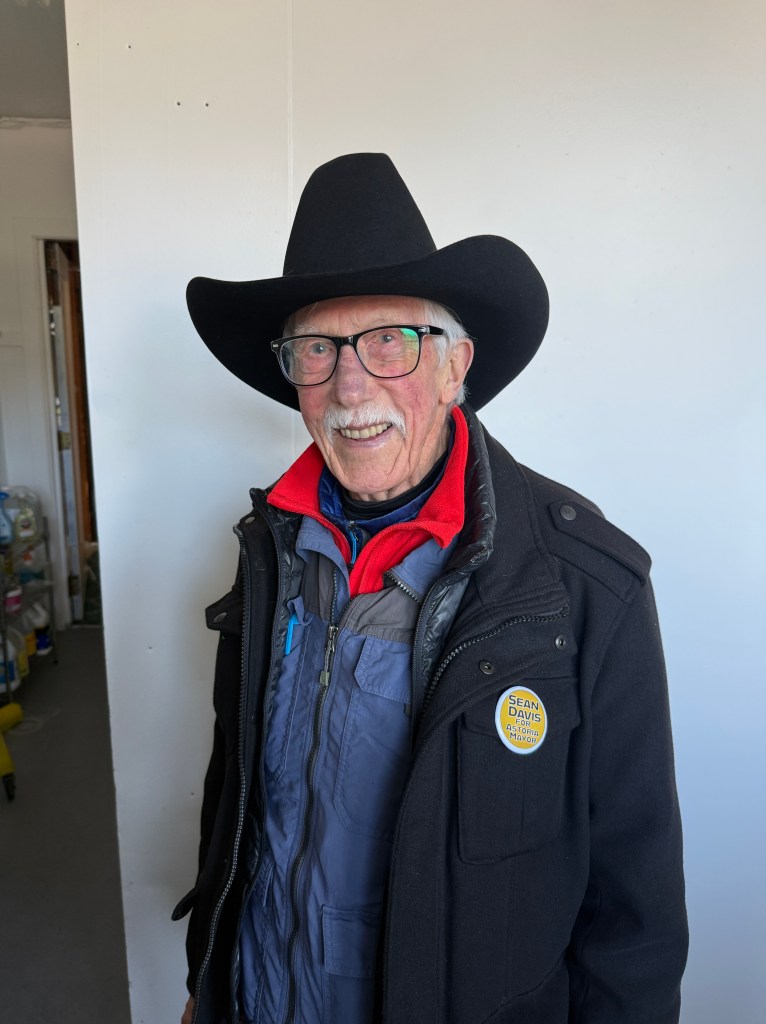
A Week of Listening, Learning, and Getting Ready to Lead
This week reminded me why I’m doing this.
Every day, I’m out meeting with the people who keep Astoria moving, the people who are trying to fix what’s broken, and the people who are living with the consequences of broken policy. I’m doing it because if you want to lead a town like Astoria, you’d better know it block by block, problem by problem, and person by person.
On Monday, I sat down with Port of Astoria Executive Director Will Isom. We talked about the Waterfront Master Plan, why progress slowed, and what still lies ahead. The truth is not glamorous. Big civic projects often move slower than they should. Staff turnover, political turnover, and competing priorities can stall good work. Still, the broader vision is alive.

Many of the Astorians I speak to tell me that they want a mayor who will honor Astoria’s character and heritage while encouraging economic development. The Port does both of these things. The Port reports that, after the Master Plan was adopted in 2022, groundwork continued, and current plans for the central waterfront now envision things like expanded public space, small shops, hotels, a fishing village, and a broader boardwalk experience. That matters, because our waterfront is not just scenery. It is identity, economy, and future all tied together.
We do not have to choose between preserving our culture and building a stronger local economy. Done right, the Port can help us do both. That means a mayor who works with the Port, helps clear city-level obstacles where appropriate, supports zoning conversations that make sense, and helps build partnerships that move long-term projects from vision to reality. The work is not instant. Nothing worth building ever is.
Tuesday pulled me into a very different conversation, but one just as important.
I met with a Peer Support Specialist, and Jail Recovery Ally at Clatsop Behavioral Healthcare. She works in addiction recovery, re-entry, and front-line support for people trying to navigate mental illness, homelessness, and the justice system. She has lived experience. She has been homeless. She has been addicted. She hit bottom and clawed her way back. People like speak with their scars, facts, and hard-earned truth.
We talked about homelessness in Astoria, and one thing became very clear: our challenges are local, but they are not unique. Oregon’s 2025 Point-in-Time count found 27,119 people experiencing homelessness statewide, with 16,512, or 60.9%, unsheltered. Clatsop County was among the counties with the highest homelessness rates per 1,000 residents in the state. In other words, what we are seeing on our streets is part of a larger crisis.
What struck me most was what she said about hopelessness.
When someone lives on the street long enough, gets rejected enough, and is treated like they are less than human often enough, something changes. People stop imagining a different life. Sometimes they even convince themselves they want to stay where they are, because hope is painful when you think you do not deserve it or cannot reach it. That is not a moral failure. That is what despair does to a human mind.
And yet she also made something else clear: some people do come back. Not everyone. She was honest about that. But more people would choose recovery, treatment, housing, and stability if the door were opened at the right moment.
That “right moment” is where policy gets real.
She told me many services are offered during ordinary business hours, roughly 9 to 5. But the people she serves often sleep during the day because nights are cold, loud, and dangerous. Many stay awake because they are afraid of being robbed or attacked. Outreach that exists only during banker’s hours misses people when they are most vulnerable and, often, when they are most open to help. National homelessness experts make the same basic point: effective street outreach is critical because it connects with vulnerable people who often cannot access the system on their own.
That means we need to think more seriously about off-hour outreach, re-entry support, and low-cost interventions that meet people where they actually are.
Some of the ideas she offered were practical and immediate. Talk to people as they are released from jail. Help them reconnect to care. Tell eligible young people about Job Corps. Make sure they understand what services exist and how to get to them. Give them options. Those sound like small things until you realize how often systems fail in those exact moments.
Oregon’s own guidance makes the stakes plain. The Oregon Health Authority says that by federal law, people who enter incarceration are not allowed to remain enrolled in the Oregon Health Plan in the normal way, and that after release they often have to reenroll. OHA says that delay can take up to 30 days and can interrupt access to medications, providers, and physical, mental health, and substance use treatment. The agency explicitly warns that these gaps can contribute to overdoses, suicides, emergency department visits, and other negative outcomes. SAMHSA likewise warns that when people with behavioral health issues leave incarceration, lack of health care, housing, and connection to community providers can jeopardize recovery and increase the risk of relapse and re-arrest.
That is not abstract to me anymore. I saw part of it this morning at veterans coffee downtown. I spoke with a woman living in the tents on Exchange Street who was clearly lost in serious mental illness. Watching that up close, I kept thinking the same thing: how can we expect someone to rebuild a life when they can barely hold onto a coherent thought? Before we demand responsibility, we have to recognize reality. Compassion without accountability fails.
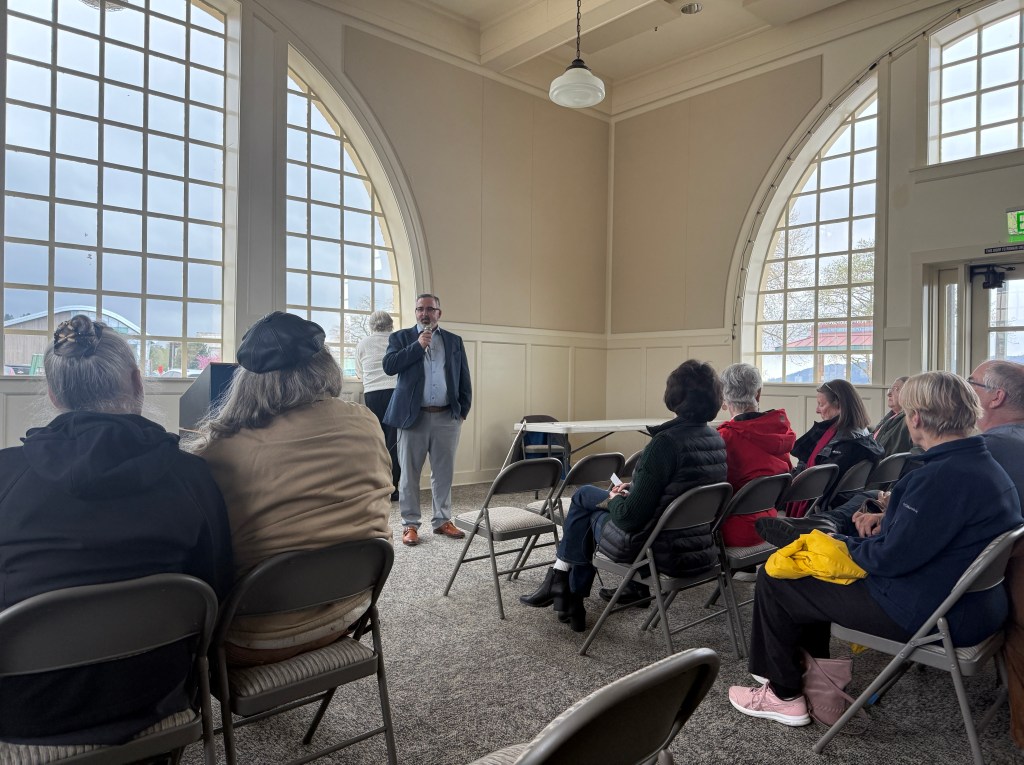
Wednesday night, I attended Rep. Cyrus Javadi’s town hall. I appreciated the chance to hear him take questions directly and spend real time with the community. Events like that matter. People deserve access to the officials who represent them, and they deserve thoughtful answers. What surprised me most, though, came afterward. Roughly half the people in the room came up to me and wanted to tell me they supported my run for mayor.
I did not expect that. I’m grateful for it. People are noticing that I’m putting the work in.
Every week, I meet with community leaders, small business owners, elected officials, service providers, and regular citizens. I attend committees, commissions, and town halls. I ask questions. I listen. I take notes. I try to understand not just what people are angry about, but what is actually possible, what has already been tried, and where the openings are for real progress.
I am not even asking for support yet.
I’m spending my days learning this town and its people so that when I do ask for your support, you’ll know exactly what you’re getting: someone who respects Astoria’s history, who understands that economic development means industrial and commercial living wage jobs and not just tourism gigs. I want people to see me as the person willing to do the hard, unglamorous work of leadership before there is any applause for it.
That is the kind of mayor I intend to be.
 Sean Davis for Astoria
Leave a comment