This week, I spent my time where local leaders should spend it: in the room, listening.
On Monday, I sat through the City Council meeting and heard discussion about hospital signage, downtown parking, and the proposed designated camping area. The hospital matters. It is our number one employer, and with expansion comes the practical question of how people get there and where they park. Downtown parking matters too, because if we want local businesses to thrive, we must provide access. Later in the meeting, the council turned to the question of a designated camping area. I appreciated Councilor Andy Davis making a simple but necessary point: if the city goes down this road, there must be a cost cap. He is right. Compassion without limits is not a plan. It is a budget leak.
At first, I believed the proposed funding source, Astor West Area Special Projects Fund #140, meant the project had to be located in Uniontown. After looking deeper, I found that a 2022 city memo said those returned excess increment funds, once returned to the City, were treated as general fund revenues and could be used for a wider range of purposes. That matters, because facts matter, especially when public dollars are involved.
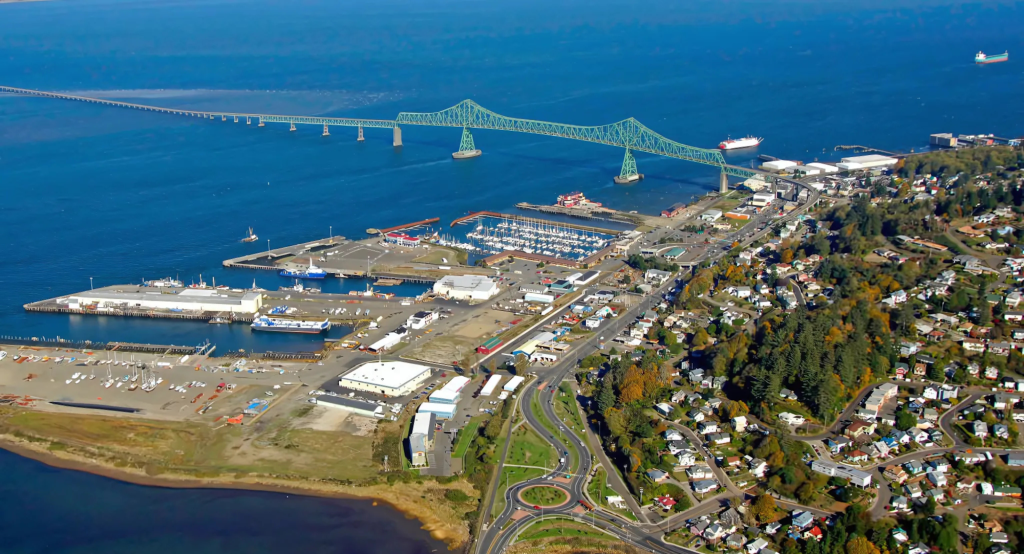
On Tuesday, I went to the Port Commission meeting. Sitting there, listening, I was reminded of something too many people forget: the Port of Astoria is not some side note in our story. It is one of the main reasons Astoria became Astoria.
Pier 1 is a working boatyard where fishermen and boat owners can still work on their own vessels. That is rare. It’s a very unique and amazing resource, but the boat lift is aging toward its end. Pier 2’s seafood processing connects our town to millions of dollars in economic activity. Pier 3 brings in visiting ships, from cruise traffic to Navy vessels. This is not empty nostalgia. This is living infrastructure, real labor, and a reminder that our waterfront was never meant to be just scenery.
On Wednesday, I met with ILWU Local 50, and I walked away with even more respect for the men and women who understand the Port not as a backdrop, but as a livelihood. To some, the waterfront looks like a postcard. To the people who built their lives there, it is memory, muscle, grit, and generations of work. Fishermen, longshoremen, processors, laborers, families. Their hands helped build this town. When longtime Astorians talk about protecting the heritage and character of Astoria, this is what they mean. Not some polished imitation of history. The real thing.
There was a time when Astoria’s waterfront was full of motion, noise, trade, and purpose. Boats came and went. Cannery whistles meant work. Families made their living not from a seasonal fantasy, but from an economy rooted in the river, the docks, and the sea. That waterfront gave Astoria its identity. It gave us toughness. It gave us pride. It gave this town the bones it still stands on.
That is why I believe our future cannot come from choosing between tourism and industry. Tourism matters. It brings visitors, dollars, and energy. But tourism alone is not enough. A healthy city needs balance. It needs industrial jobs, commercial jobs, maritime jobs, small business growth, and opportunities that allow working families to stay here and build a life. Right now, our Port is underused, rough around the edges, and full of potential. The answer is not to abandon it or prettify it into irrelevance. The answer is to put it back to work.
That is why I believe we should revive and build on the Waterfront Master Plan effort launched in 2021. That plan was supposed to do more than dream. It was supposed to create a real implementation strategy, recommend updates to city policy and zoning, and establish cooperation between the Astoria Development Commission, the Port, and the City. The Commission was the lead agency and funding source. The Port owned the study area. The City controlled zoning and had ultimate responsibility for infrastructure investment. That was the deal. And yet, much of that work never truly happened.
The goals were the right ones then, and they are the right ones now: strengthen the working waterfront, protect living-wage jobs, improve access, attract new investment, preserve maritime identity, and create a framework flexible enough to adapt over time. In plain English, the goal was simple: make the waterfront work for Astorians again, not just for brochures.
As mayor, I would push to bring that effort back to life.
I would push for faster zoning and code alignment, because plans that sit on shelves do not create jobs.
I would push for regular City-Port work sessions with public benchmarks, because cooperation should not be optional when the future of the waterfront is on the line.
I would push an infrastructure-first strategy, investing in streets, utilities, access, and public improvements that make industrial and marine growth possible.
And I would insist on a simple standard for redevelopment: does it protect and grow working waterfront jobs? If the answer is no, then it is the wrong deal.
Astoria does not need to become Anywhere, USA with prettier signage and higher rent. We have something better than that. We have a history people still feel in their DNA. We have a waterfront that built this town once before. And if we have the discipline, the courage, and the common sense to work together, it can help build Astoria’s future too.
 Sean Davis for Astoria
Leave a comment