I know what it feels like to grow up believing your choices are narrow.
I grew up in poverty, jumping from trailerpark to trailerpark until I was on my own at 17 and didn’t have any guidance or support. After a few years of working at a dead end job, I joined the Army because I didn’t believe there were many other real options. I am proud of my service. It helped shape me, and I will always honor what it gave me.
But I also know this: military service is not the right path for everyone.
Maybe there is a young person out there right now, in Astoria or somewhere nearby, who feels boxed in the same way I did. Maybe that kid living in a tent on the streets. Maybe that kid is smart, capable, hardworking, and just has not been shown enough real options. Maybe what they need is a chance to become an electrician. Or a carpenter. Or a dental assistant. Or a seaman. Maybe what they need is a path that leads straight to a skill, a paycheck, and a future they can actually build.
This issue matters to me not just because of where I came from, but because of what I have seen. I taught college for years, and I watched too many students take on predatory student loan debt because they had been told college was the only respectable road to success. They enrolled in business programs or other degrees they were not passionate about, not because it was their dream, but because somebody told them that was what responsible people do. Then the bills came. Then the everlasting debt.
We need to start telling the truth more plainly: college can be a wonderful path, but it is not the only path, and it is not always the best path. For many young people, especially those from working-class families, what changes a life is not a vague promise tied to debt. It is a new skill tied to a real job.
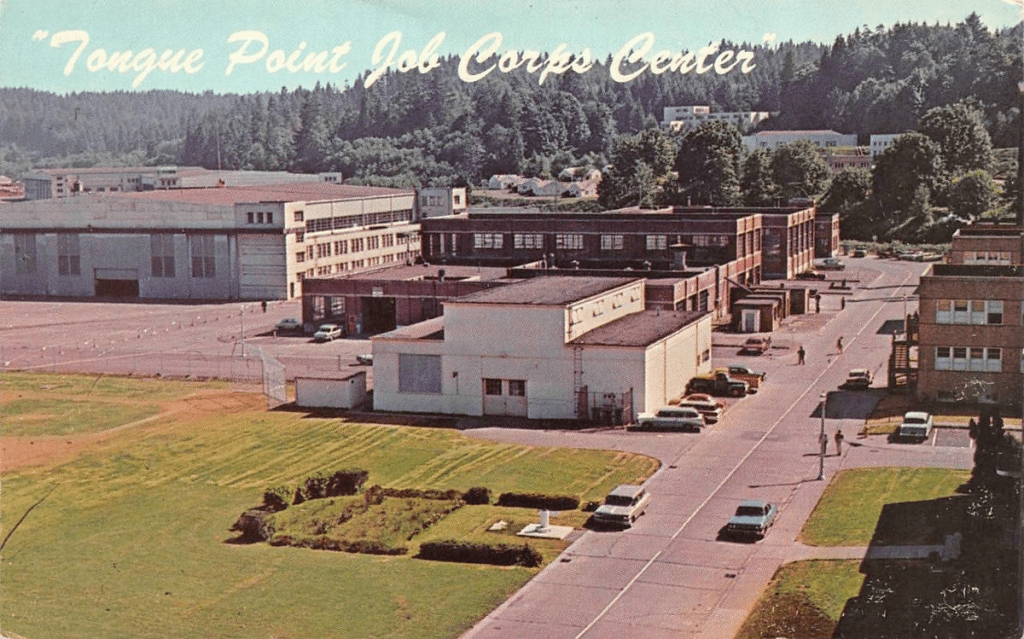
That is why I believe we need to pay much more attention to Tongue Point Job Corps.
Right here in Astoria, we have a federally funded program through the U.S. Department of Labor that offers career training, housing, meals, and support services for eligible low-income young adults. Tongue Point has room for 500 students, but recent reporting showed actual enrollment at only about 330. That means we have empty beds and empty training slots at the very moment when employers across Oregon need more skilled workers and more young people need a way into the middle class.
In Clatsop County, a single adult needs roughly $24.41 an hour just to meet a basic living wage. Many of the trades and career paths connected to Job Corps can clear that threshold. Maritime jobs, electrical work, carpentry, glazing, plastering, dental assisting, and certain medical support careers can all lead to real earnings and real stability. These are not dead-end jobs. These are careers. These are the kinds of skills that let people pay rent, raise children, buy groceries without panic, and feel pride in the work they do.
And the need is not abstract. It has a face.
It is the high school student who is not headed toward a four-year university and feels ashamed about that. It is the young adult who is couch surfing and trying not to slip through the cracks. It is the kid working a low-wage service job who wants something more but cannot afford to stop working long enough to get trained. It is the young person who has already started to believe that a better future belongs to somebody else.
We should be building real partnerships between Astoria High School, Clatsop Community College, Tongue Point Job Corps, and local organizations that help vulnerable young people, including organizations like CCA and CBH, working with people who are housing insecure or homeless.
And yes, people should know the basics. In general, Job Corps is for young people ages 16 to 24 who meet income eligibility requirements and other federal admissions standards. There can also be flexibility in some cases, including for applicants with disabilities. The point is not to bury families under bureaucracy. The point is to make sure the right people hear about the opportunity in time to use it.
Because I keep thinking about the kid I used to be.
I think about what it means when you are young and poor and unsupported, and every decision feels permanent. I think about how easy it is to believe that the world has already sorted you into a category. I think about how many young people are carrying adult burdens before they have even had a fair start. And I think about how powerful it can be when even one person says: no, there is another way.
That is the kind of hope I want Astoria to believe in.
Tongue Point Job Corps is one of the strongest untapped tools we have. If we are serious about livable-wage jobs, about dignity, about helping people off the streets, and about giving young people a real shot, then we should stop treating Job Corps like a forgotten asset and start treating it like part of Astoria’s future.
 Sean Davis for Astoria
Leave a comment